United states: The : From Independence to National Celebration
Before the momentous events of July 4, 1776, the colonies in North America were embroiled in a struggle for autonomy from British rule. The desire for independence had been growing, fueled by a series of oppressive measures imposed by the British government. However, the idea of a unified declaration was still in its infancy, with many colonists uncertain about the implications of such a bold move. The Continental Congress had convened, and discussions were heated, yet the final decision remained elusive until a decisive moment arrived.
On July 2, 1776, the Continental Congress voted in favor of independence from Great Britain, with 12 of the 13 colonies supporting the motion. This pivotal decision set the stage for the formal approval of the Declaration of Independence two days later, on July 4. The document, primarily drafted by Thomas Jefferson, articulated the colonies’ grievances and aspirations, marking a radical departure from colonial governance. The immediate aftermath saw the signing of the Declaration in Philadelphia, a moment that would resonate through history.
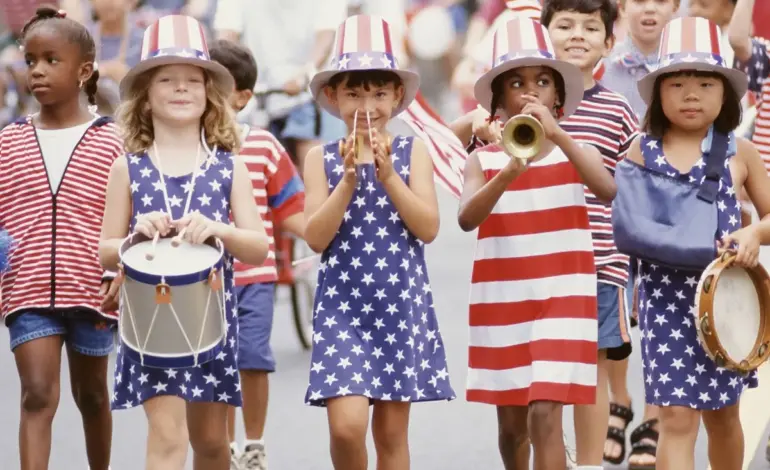
The effects of this declaration were profound. It galvanized the colonies into a united front against British rule, fostering a sense of national identity that had previously been absent. Celebrations began almost immediately, with the first organized festivities taking place in 1777, featuring fireworks, parades, and oratory. These early celebrations were modeled after British traditions, yet they quickly evolved to embody the spirit of American independence. Over time, July 4 became a symbol of national pride, celebrated with increasing fervor across the newly formed United States.
As the years progressed, Independence Day transformed from a political milestone into a national holiday known as the Fourth of July. The day became synonymous with fireworks, family gatherings, and patriotic displays. By the time John Adams and Thomas Jefferson both passed away on July 4, 1826, exactly 50 years after the Declaration’s approval, the day had solidified its status as a cornerstone of American culture. Their deaths on this significant anniversary underscored the deep connection between the founding of the nation and the celebration of its independence.
Experts have noted that the evolution of Independence Day reflects broader themes in American history. According to historians, the transformation from a political event to a national celebration illustrates the growing sense of unity among the states. The Fourth of July emerged as a major midsummer holiday, fostering community and national pride. As fireworks lit up the skies, they symbolized not just the birth of a nation, but the enduring spirit of freedom that continues to define the United States.
Today, Independence Day celebrations are a tapestry of traditions, including barbecues, concerts, and public displays of fireworks. The day serves as a reminder of the sacrifices made by the founding fathers and the ongoing journey toward liberty and justice for all. The contrast between the initial struggles for independence and the current celebrations highlights the remarkable progress made since that fateful day in 1776.
In a contemporary context, the Fourth of July also prompts reflection on the values enshrined in the Declaration of Independence. As Americans gather to celebrate, discussions often arise around the principles of freedom and equality, reminding citizens of the work that remains to ensure these ideals are upheld for all. The legacy of the Declaration continues to inspire movements for justice and equality, making Independence Day not just a celebration of the past, but a call to action for the future.