Tamil New Year: A Celebration of New Beginnings
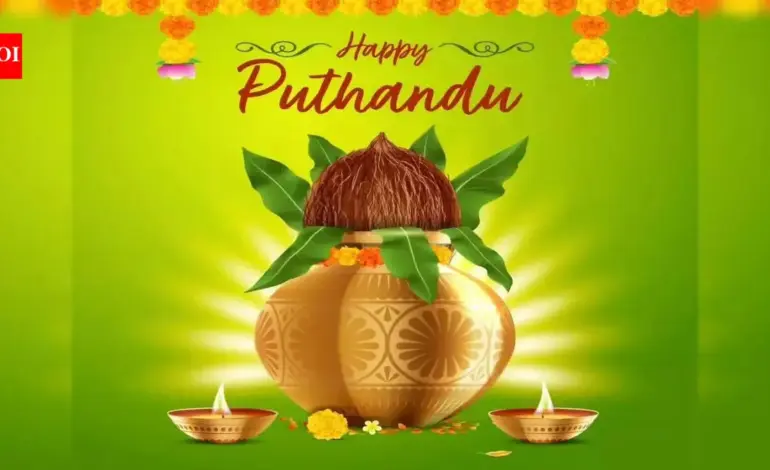
Tamil New Year, known as Puthandu, has long been a cherished celebration within Tamil culture, steeped in tradition and history. For centuries, this festival has marked the first day of the Tamil month Chitterai, symbolizing the arrival of spring and the start of a new agricultural cycle. Traditionally, families would gather to perform rituals, clean their homes, and prepare special meals, all while sharing a unique sweet dish called ‘Mango Pachadi’ after the puja rituals. The festival is not only a time for family reunions but also a moment to reflect on the past year and set intentions for the year ahead.
However, as we approach April 14, 2026, the date of Puthandu, there is a noticeable shift in how this festival is perceived and celebrated. The decisive moment came with the increasing influence of globalization and the digital age, which has transformed traditional practices. While many still honor the rituals associated with Puthandu, younger generations are adapting these customs to fit modern lifestyles, often blending them with contemporary celebrations. This evolution reflects a broader trend where cultural practices are being reinterpreted in light of changing societal norms.
The direct effects of this transformation are evident in the way families celebrate. While traditional rituals such as viewing auspicious items like fruits and flowers remain, there is a growing trend of incorporating modern elements into the festivities. For instance, many families now share their celebrations on social media platforms, showcasing their rituals and meals to a wider audience. This shift not only preserves the essence of the festival but also introduces it to a global audience, fostering a sense of community among Tamils worldwide.
Experts note that this blending of tradition and modernity is crucial for the survival of cultural practices. According to cultural anthropologists, the evolution of festivals like Puthandu reflects the dynamic nature of culture itself. As societies change, so too do their traditions, which must adapt to remain relevant. This perspective is particularly important for younger generations who may feel disconnected from their cultural roots. By embracing both traditional and contemporary practices, they can forge a new identity that honors their heritage while also reflecting their current realities.
Moreover, the significance of Puthandu extends beyond personal celebrations; it also serves as a reminder of the agricultural cycles that are central to Tamil life. The festival marks the Sun’s entry into the zodiac sign of Aries (Mesha), a moment that has been celebrated for centuries as a time of renewal and hope. As families gather to read the Panchangam, the astrological almanac, they not only seek guidance for the year ahead but also reaffirm their connection to the land and its cycles.
As we look towards Puthandu 2026, the festival will continue to symbolize new beginnings, prosperity, and hope for the year ahead. While the core rituals may evolve, the underlying themes of renewal and community remain steadfast. Families will still engage in the time-honored practices of cleaning their homes and preparing special meals, ensuring that the essence of Puthandu is preserved even as it adapts to modern influences.
In conclusion, the celebration of Tamil New Year is a rich tapestry woven from history, tradition, and modernity. As the festival approaches, it serves as a poignant reminder of the importance of cultural heritage in an ever-changing world. While details remain unconfirmed about how exactly the celebrations will unfold in 2026, one thing is certain: the spirit of Puthandu will continue to thrive, bridging the past and the present for generations to come.