Rajesh Jha’s Insights on AI and Software Licensing
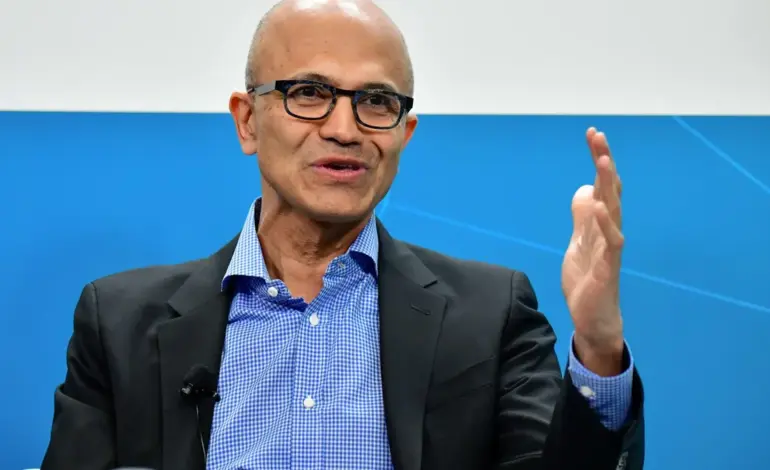
The rise of AI agents is poised to significantly impact software licensing, as Rajesh Jha of Microsoft emphasizes that these agents will require their own software licenses. This development addresses investor concerns regarding job cuts and the potential erosion of seat-based revenue models, which have long been the backbone of enterprise software.
Traditionally, a company with 20 employees would purchase 20 Microsoft 365 licenses. However, Jha points out that if each employee utilizes five AI agents, and the workforce is reduced to just 10 people, the total number of paid seats could still rise to 50. This scenario illustrates how companies deploying AI could actually increase their number of paying users, even as human headcounts decline.
Jha argues that the classic method of selling software—charging per user—should remain intact despite the rise of AI. Investors are understandably anxious that AI might hollow out seat-based pricing, which has been a reliable revenue model for years. The assumption that AI reduces the number of software users holds true only if users are defined strictly as humans.
In this evolving landscape, Jha asserts, “All of those embodied agents are seat opportunities.” This perspective suggests that AI could create new revenue streams rather than diminish existing ones. For stakeholders worried about job losses or the transformative effects of technology, Microsoft’s message is clear: the business model is safe, at least for the time being.
As companies navigate this transition, the implications for software economics could be profound. The question of how AI will redefine user definitions and licensing structures could very well shape the next decade of enterprise software economics. Investors and companies alike are watching closely as these developments unfold.
Details remain unconfirmed as the industry continues to adapt to these changes, but the potential for AI to coexist with traditional software licensing models is becoming increasingly apparent. The dialogue initiated by figures like Rajesh Jha will be crucial in determining how businesses leverage AI while maintaining robust revenue streams.