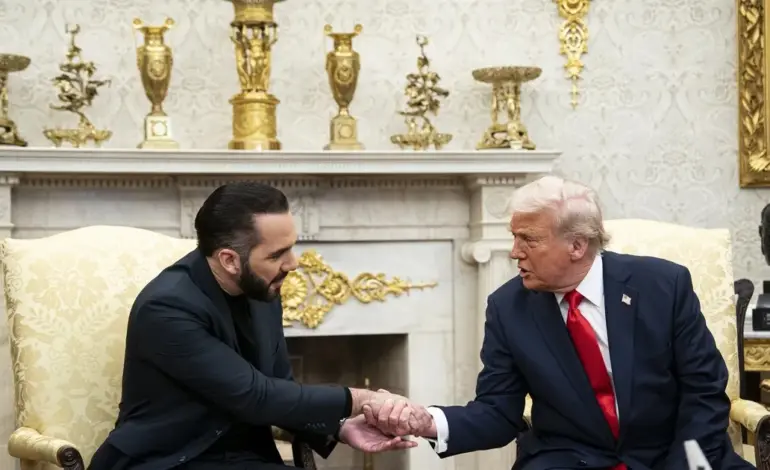
As of April 2026, El Salvador is engulfed in a complex web of legal and human rights challenges stemming from President Nayib Bukele’s aggressive anti-gang policies. The situation escalated following a controversial deal with former President Donald Trump, which involved the imprisonment of deportees accused of gang affiliations. This agreement has set the stage for a dramatic crackdown on gang violence, but at a significant cost to civil liberties.
Under the state of exception, which has been in place for four years, approximately 91,000 individuals have been detained, many without proper legal representation. Mass trials are now underway, with around 20,000 detainees grouped together, raising serious concerns about due process. The attorney general’s office has promised 3,000 indictments in the first quarter of 2026, aiming to expedite the judicial process for alleged gang members.
The Salvadoran government has also approved life imprisonment for gang members, including minors, a move that has drawn criticism from various human rights organizations. Notably, the reforms to the organized crime law have eliminated hearings where evidence is evaluated, further undermining the legal safeguards for defendants.
Among those caught in this legal quagmire is Williams Díaz, who was detained while commuting to work and is now awaiting trial in a mega-prison designed for gang members. Similarly, Jonathan, a 24-year-old maquila worker, finds himself grouped with around 80 others, facing the grim reality of mass incarceration.
Human Rights Watch has documented alarming trends, including detentions triggered by anonymous calls and neighborhood disputes, which raises questions about the criteria for arrests. As noted by an anonymous lawyer, “From the moment they group them together, they are declaring them guilty.” This sentiment echoes the fears of many families affected by the crackdown.
Reynaldo Santos, a detainee, described the experience as “Russian roulette, anguish, an ordeal,” highlighting the psychological toll of the current judicial processes. The trials lack basic guarantees of due process, increasing the risk of wrongful convictions. As Gladis Villatoro, a family member of a detainee, stated, “Some will pay for others. If they convict one, they convict the whole group.”
Reports indicate that around 500 deaths have occurred in prisons under the state of exception, further complicating the narrative surrounding Bukele’s policies. Critics argue that while Bukele remains popular for his efforts to reduce gang terror, the reports of wrongful arrests and the harsh conditions in prisons cannot be overlooked.
As the documentary “The Deal: Trump, Bukele & the Gangs of El Salvador” premieres on April 7, 2026, it is expected to shed light on the intricate relationship between the U.S. and El Salvador regarding gang violence and immigration. Details remain unconfirmed, but the implications of this partnership continue to resonate throughout the region.
The ongoing situation in El Salvador raises critical questions about the balance between security and human rights. As Bukele consolidates power across all branches of government, the future of justice in El Salvador remains uncertain, with many fearing that the current trajectory may lead to further erosion of civil liberties.