जॉयमाल्य बागची: Joymalya Bagchi Raises Concerns Over Judicial Safety in West Bengal
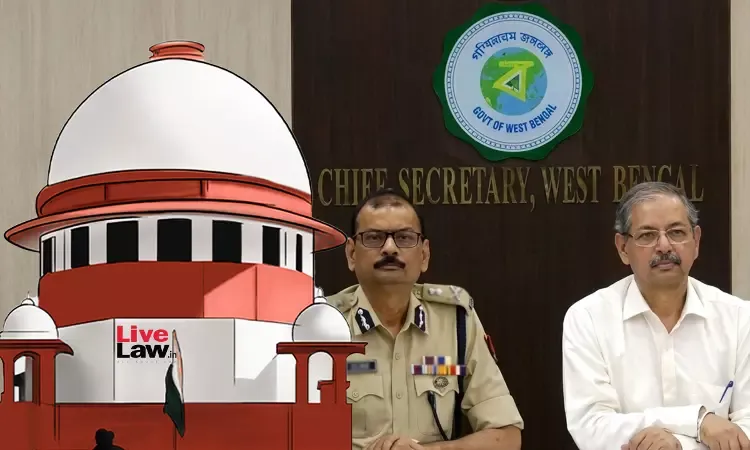
What does the recent hostage crisis involving judicial officers in West Bengal reveal about the state of judicial safety? The answer is alarming: it underscores significant lapses in communication and security protocols within the state’s administration.
On April 6, 2026, the Supreme Court of India intervened in a troubling situation where seven judicial officers were taken hostage during their duty related to the Special Identification Register (SIR) of electoral rolls in Malda. This incident has raised serious questions about the safety of judicial personnel in the region.
Chief Justice of India Suryakant expressed his dissatisfaction with the Chief Secretary’s lack of responsiveness, famously questioning, “What is the problem? You don’t even pick up the Chief Justice’s phone?” This pointed criticism highlights a breakdown in communication that could have dire implications for judicial safety.
Justice Joymalya Bagchi also weighed in, questioning the Chief Secretary’s ability to manage communication effectively, asking, “Is the security so high that even the Chief Justice of the Calcutta High Court cannot contact you?” Such remarks indicate a growing frustration among judicial leaders regarding the administration’s handling of security matters.
The Chief Secretary, appointed just weeks earlier on March 16, 2026, has faced intense scrutiny following this incident. Dushyant Nariyala, the Chief Secretary, publicly acknowledged his mistakes, stating, “I deeply regret my mistake.” However, the question remains whether this acknowledgment will lead to meaningful changes in the administration’s approach to judicial safety.
In a related development, the Supreme Court allowed Nandalal Bose’s grandson to appeal to the appellate tribunal after his name was removed from the electoral roll, instructing the tribunal to expedite the case. This decision reflects the court’s ongoing commitment to uphold judicial processes despite the surrounding turmoil.
The backdrop of these events is critical: the hostage situation occurred during a duty related to the SIR of electoral rolls, a process that is vital for maintaining the integrity of elections in India. The implications of such violence against judicial officers extend beyond individual safety; they threaten the very foundations of the legal system.
As the situation unfolds, the future of judicial safety in West Bengal remains uncertain. Will the administration take the necessary steps to ensure the safety of its judicial officers? Details remain unconfirmed, but the urgency for reform is clear.