Indian Railways: A Transformative Force in National Connectivity
Key moments
In a remarkable display of growth and modernization, Indian Railways has positioned itself as a transformative force in national connectivity, with nearly 25,000 trains operating daily across the country. This development, highlighted by Railways Minister Ashwini Vaishnaw, underscores the railways’ commitment to enhancing transportation efficiency and accessibility for millions of passengers.
The immediate impact of this transformation is evident in the freight sector, where Indian Railways achieved an impressive 1,670 million tonnes of loading in the fiscal year 2025-26. This milestone not only reflects the railways’ capacity to handle substantial cargo volumes but also signifies its pivotal role in supporting the economy through efficient goods transportation.
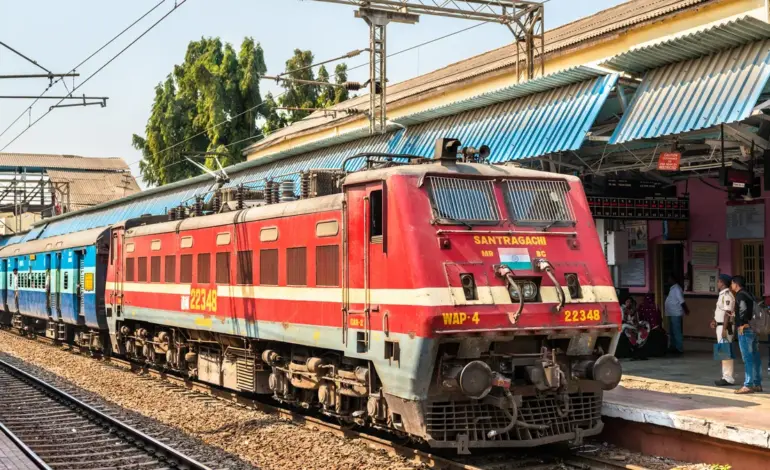
Furthermore, the production capabilities of Indian Railways have seen significant advancements, with over 1,500 locomotives and more than 6,600 LHB coaches manufactured. These figures illustrate a robust manufacturing ecosystem that is essential for maintaining and expanding the railway network, ensuring that it meets the growing demands of both passengers and freight services.
In terms of safety and technology, Indian Railways has made strides by commissioning the Kavach Automatic Train Protection System over 3,000 route kilometres. This system aims to enhance the safety of train operations, reducing the risk of accidents and improving overall reliability. Such technological advancements are crucial as they align with global standards of railway safety.
In a bid to further enhance communication infrastructure, Indian Railways has approved a ₹398.36 crore optical fibre project for the Ahmedabad and Ratlam divisions. This initiative is part of a larger ₹27,693 crore national plan aimed at establishing a robust railway communication backbone. The optical fibre project will cover 1,929 route kilometres, laying high-capacity fibre optic cables that are expected to significantly improve connectivity and operational efficiency.
The implementation of these projects not only reflects Indian Railways’ commitment to modernization but also its strategic vision for the future. By investing in technology and infrastructure, the railways are poised to meet the challenges of a rapidly evolving transportation landscape.
Initial reactions to these developments have been positive, with stakeholders acknowledging the potential benefits for both passengers and freight services. The focus on safety, efficiency, and connectivity resonates well with the public and industry experts alike, who see Indian Railways as a key player in India’s economic growth.
As Indian Railways continues to evolve, it remains to be seen how these ambitious projects will reshape the landscape of transportation in India. Details remain unconfirmed regarding the timelines for some of these initiatives, but the momentum is undoubtedly in favor of a more connected and efficient railway system.