HAL Tejas: Resuming Flights After Grounding
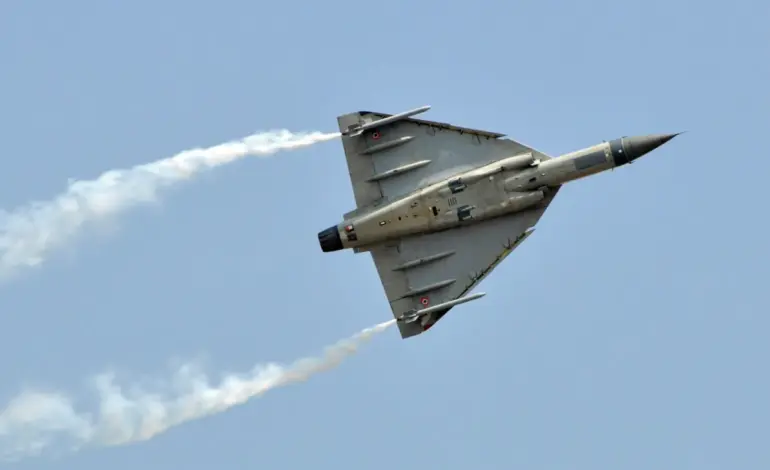
In early February 2026, the HAL Tejas fleet faced a significant setback when all jets were grounded following a landing mishap. This incident raised concerns about the operational readiness of the Tejas Light Combat Aircraft, which has been a pivotal part of the Indian Air Force (IAF) fleet.
Fast forward to April 8, 2026, HAL chairman DK Sunil announced that the Tejas jets are set to fly again, marking a crucial recovery for the program. “All the Tejas jets are set to fly again from next Wednesday,” Sunil stated, indicating a positive turn of events for the aircraft that has been under scrutiny.
However, the path to resuming operations has not been without challenges. HAL has imposed penalties on GE Aerospace due to delays in engine deliveries for the Tejas Mk-1A variant. Out of a contract for 99 F404 engines, only six have been delivered so far, with the first engine arriving in March 2025. This slow pace has raised questions about the timely completion of the Tejas Mk-1A program, which aims to deliver over 20 aircraft by December 2026.
The IAF currently operates between 32 to 34 HAL Tejas Mk1 fighter jets across two operational squadrons. The program, while ambitious, has faced organizational and support challenges over the decades, leading to longer timelines and increased costs.
India’s commitment to modernizing its air force is evident, with a total order of 180 Tejas Mk1A variants intended to replace aging MiG-21s. Despite its potential, the Tejas program has been criticized for not receiving the same level of investment as similar programs in rival nations, particularly China. As defense analyst Sandeep Unnithan noted, “India spent relatively modest sums on the programme and abandoned it too early, while China poured in tens of billions of dollars with a national-level push.”
In the meantime, HAL expects another engine delivery by the end of April 2026, which could help mitigate some of the delays. Currently, five Mk-1A aircraft are fitted with new engines, showcasing progress amidst the challenges.
The Tejas is designed to be compatible with modern missiles, laser-guided bombs, and helmet-mounted displays, enhancing its operational capabilities. However, the indigenous Kaveri engine was delinked from the Tejas airframe in 2008 due to its failure to deliver the required thrust, further complicating the program’s trajectory.
As the Tejas fleet prepares to take to the skies once again, the implications of these developments are significant for HAL, the IAF, and India’s defense strategy as a whole. The successful resumption of flights could bolster confidence in indigenous defense manufacturing, while ongoing issues with engine supply remain a critical concern.
Details remain unconfirmed regarding the full impact of the grounding on the Tejas program’s timeline and operational capabilities, but the upcoming flights are a hopeful sign for stakeholders involved.