2026 iran war: The : A New Era of Conflict in West Asia
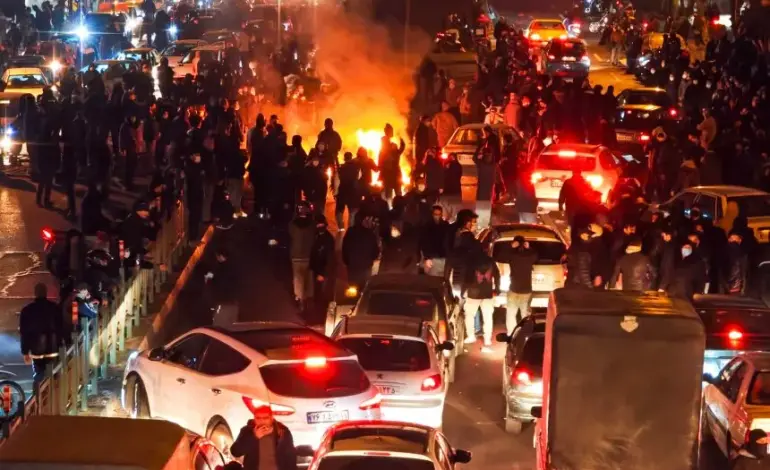
“Iran wants to make a deal so badly,” stated former President Donald Trump, reflecting a sentiment that has echoed through the corridors of power since the onset of the 2026 Iran War. This conflict erupted on February 28, 2026, following the assassination of Iranian Supreme Leader Ali Khamenei, a pivotal event aimed at destabilizing the Iranian regime’s command structure.
The immediate aftermath saw Mojtaba Khamenei ascend as the new Supreme Leader, yet the power transition did little to quell the violence. Iran swiftly retaliated with ballistic missile and drone strikes targeting Israeli cities and U.S. military bases in the Gulf, showcasing its military capabilities despite the overwhelming superiority of U.S. and Israeli forces. The conflict has escalated tensions across West Asia, creating an unprecedented operational coordination among Gulf monarchies, the U.S., and Israel.
Oil prices surged past $120 per barrel, reflecting the conflict’s impact on global markets, particularly given that the Strait of Hormuz, a critical chokepoint for oil transport, carries about 25 percent of the world’s oil. This economic strain has heightened the stakes for all involved, as the region’s stability hangs in the balance.
Despite the U.S. deploying tens of thousands of additional troops and multiple carrier strike groups to the region, Iran has firmly rejected U.S. terms for negotiations, demanding reparations and sovereignty guarantees over the Strait of Hormuz. Iranian officials, including Mohammad Bagher Qalibaf, have stated, “No negotiations have been held with the United States,” indicating a hardline stance that complicates any potential resolution.
As the conflict continues, Benjamin Netanyahu has asserted, “We will continue to strike Iran and safeguard our vital interests under all circumstances,” reinforcing Israel’s commitment to military action. However, the question remains whether Iran will allow the U.S. to dictate the timeline of the conflict. An anonymous source within Iranian leadership remarked, “Iran will not allow Trump to end the war on its own timeline,” suggesting a protracted struggle ahead.
The war risks settling into a prolonged war of attrition, with neither side willing to abandon the fight. As of April 2026, four weeks have passed since the conflict began, and the situation remains fluid. Details remain unconfirmed regarding Tehran’s willingness to negotiate or whether Israel would agree to a ceasefire, further complicating the landscape.
In this volatile environment, the long-term implications of the conflict on regional stability are still unclear. With Iran’s nuclear material stockpiling, including 200 kilograms of 60 percent enriched uranium-235, the stakes are higher than ever. The world watches closely as the 2026 Iran War unfolds, with the potential for far-reaching consequences that could reshape the geopolitical landscape of West Asia for years to come.