Today Bank Open? Understanding the Impact of Good Friday on Banking in India
Reaction from the field
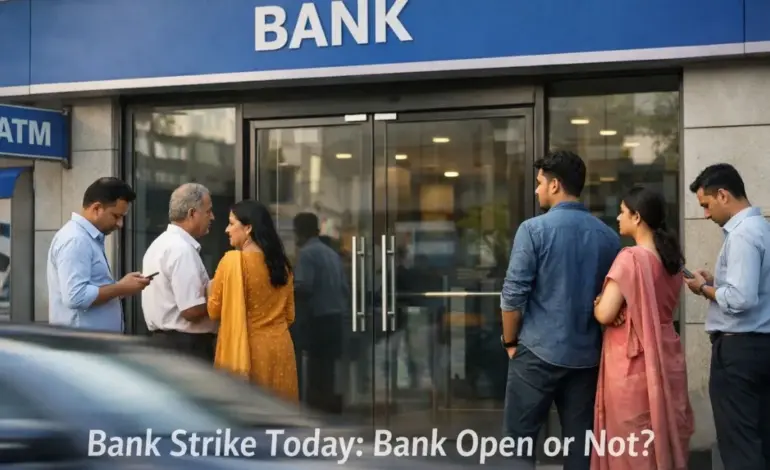
The closure of banks across India on April 3 for Good Friday has significant implications for both consumers and the financial markets. While many may be accustomed to the routine of banking holidays, the effects of this particular closure resonate through various sectors, highlighting the importance of understanding when and how banking services are available.
Despite the nationwide bank holiday, banking operations are not entirely halted. In states like Tripura, Rajasthan, and Assam, banks will continue to operate as usual, providing essential services to their customers. This regional variation in banking operations underscores the complexities of India’s banking system, which is regulated by the Reserve Bank of India (RBI) and mandates bank holidays to ensure consistency across the industry.
While physical branch counters are closed, it is crucial to note that ATMs and UPI payments remain unaffected by the holiday. This means that customers can still access their funds and make transactions electronically, mitigating some of the inconveniences typically associated with bank holidays. The ability to use digital payment systems is increasingly vital in today’s fast-paced economy, allowing consumers to maintain their financial activities without interruption.
The impact of the bank holiday extends beyond individual banking operations to the broader financial markets. On April 3, India’s equity, currency, and debt markets are also closed, with trading set to resume on Monday, April 6. This closure can lead to fluctuations in market performance, as investors may react to news and events over the holiday period. For instance, prior to the holiday, the BSE Sensex rose by 0.25%, reaching a value of 73,319.55, while the NSE Nifty 50 index saw a 0.15% increase to 22,713.1.
Bank holidays are not just a modern convenience; they are a longstanding practice in India, with most years featuring 11 federal banking holidays. These holidays provide a necessary pause in operations, allowing employees to rest and recharge while ensuring that the banking system remains robust and reliable. However, the challenge remains for consumers who may need to access banking services during these closures.
As the banking landscape evolves, the reliance on digital services continues to grow. The RBI’s regulations surrounding bank holidays aim to create a standardized approach to banking operations, but they also prompt discussions about the need for more flexible banking solutions that can accommodate the demands of a modern economy. The question remains: how will banks adapt to the changing needs of their customers in the face of such mandated closures?
Details remain unconfirmed regarding any potential changes to the bank holiday schedule or the introduction of additional operational flexibility in the future. As consumers navigate the implications of these closures, the expectation is that banks will continue to innovate and find ways to serve their customers effectively, even during mandated holidays.