Mount Everest’s $20 Million Insurance Scam: A Shocking Betrayal
The wider picture
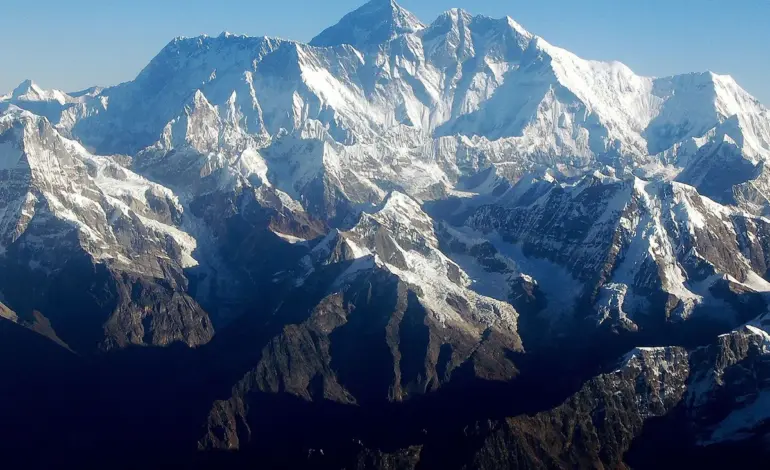
The majestic Mount Everest, often dubbed the “Roof of the World,” has long been a symbol of human ambition and adventure. However, recent revelations have cast a dark shadow over this iconic peak, as an alleged $20 million insurance scam has surfaced, raising serious concerns about safety and integrity in the climbing industry. The Nepalese Central Investigation Bureau has reported that foreign tourists were systematically defrauded, with the scam involving staged rescues and fraudulent insurance claims.
In a significant development, authorities have arrested 10 individuals connected to the scam, which has implicated 32 guides and nearly 4,800 international climbers treated at hospitals involved in the fraudulent activities between 2022 and 2025. The investigation has unveiled a disturbing pattern of deceit, including the faking of documents and forging passenger and cargo manifests. In some shocking instances, guides are alleged to have poisoned clients to create fake emergencies, further complicating the already perilous nature of climbing Everest.
As the investigation unfolds, the Nepali government is also scrutinizing fraudulent helicopter rescues that have reportedly totaled $19 million. This extensive network of fraud has not only tarnished the reputation of Nepal’s climbing industry but has also raised questions about the safety protocols in place for climbers. Mingma David Sherpa, a prominent figure in the climbing community, emphasized the urgent need for reforms, stating, “We need to reduce the number of people dying.” His words resonate deeply in light of the ongoing investigation.
With Balendra Shah recently becoming Prime Minister of Nepal, there is a renewed focus on reforming the Everest climbing industry. Shah’s administration aims to restore trust and safety in a sector that has been marred by scandal. The use of drones to transport supplies on Everest in 2026 reflects an innovative approach to enhancing safety and efficiency in climbing operations. Meanwhile, climbers like Kristin Harila are pushing the boundaries of adventure, attempting a no-oxygen ascent of Everest, Lhotse, and Nuptse this year.
Amidst these developments, a Romanian climber is undertaking an extraordinary journey, walking nearly 1,300 miles from sea level to Everest. This endeavor highlights the enduring allure of the mountain, even as the industry grapples with its darker realities. Additionally, Nepali climbers are planning an adventure called Summit to Sea, aimed at raising awareness for river health, showcasing a commitment to environmental issues alongside climbing.
As the investigation into the insurance scam continues, observers remain vigilant, anticipating further revelations about the extent of the fraud and the individuals involved. The full scope of the scam is still unclear, and details remain unconfirmed. However, the implications for the climbing community are profound, as trust in guides and the overall safety of the climbing experience is called into question.
In light of these events, the Nepal police have stated that “hospitals, helicopter operators, and guides are also linked in this chain,” indicating a broader systemic issue that needs addressing. The ongoing investigation serves as a critical juncture for the climbing industry, where the stakes are not just financial but also human lives. As the world watches, the future of climbing on Mount Everest hangs in the balance, with the hope that necessary reforms will emerge from this scandal.