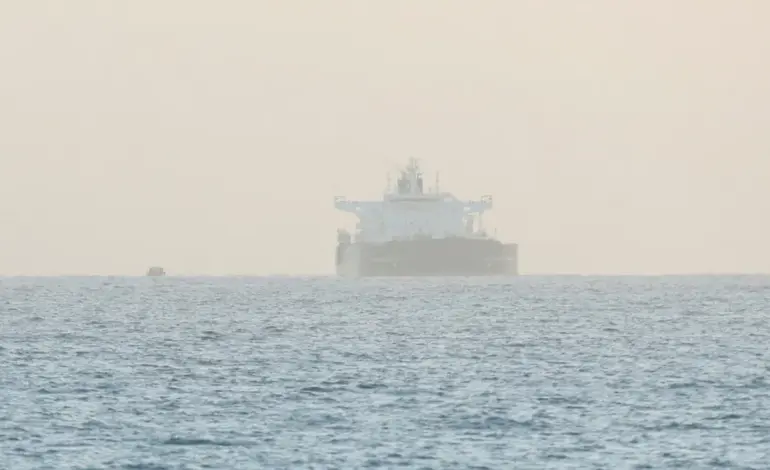
The recent diversion of the Iranian oil tanker Ping Shun from its intended destination in India to China underscores significant implications for global oil trade dynamics. Carrying 600,000 barrels of Iranian crude oil, this shift not only reflects the complexities of international sanctions but also highlights the evolving commercial landscape surrounding Iranian oil.
The Ping Shun, a US-sanctioned Aframax vessel built in 2002, had initially planned to dock at Vadinar in Gujarat, India. This would have marked India’s first import of Iranian crude since 2019, a year when Iranian oil accounted for 11.5% of India’s total imports. However, the tanker’s change in course appears to be linked to unresolved payment-related concerns.
India has refrained from importing Iranian oil since May 2019 due to stringent US sanctions that have reshaped its energy procurement strategies. Before these sanctions were tightened in 2018, India was one of the largest buyers of Iranian oil, importing 518,000 barrels per day in 2018 alone. The refinery at Vadinar has a capacity of 20 million tonnes per year, indicating a significant potential for Iranian crude if trade barriers were lifted.
The US government recently granted a 30-day waiver allowing purchases of Iranian oil at sea, which is set to expire on April 19, 2026. This waiver has added a layer of urgency to the situation, as any resolution to payment issues could allow the Ping Shun to still reach an Indian refinery.
Despite the potential for renewed trade, the identities of the buyer and seller involved in this cargo remain unclear. As noted by energy analyst Sumit Ritolia, “If the payment issues are resolved, the cargo could still make its way to an Indian refinery.” This statement reflects the precarious nature of current commercial conditions, which are becoming as critical as logistical factors in determining the flow of Iranian crude.
The shift in the Ping Shun‘s destination not only illustrates the challenges faced by Iranian oil exporters but also signals a broader trend where commercial terms increasingly dictate the viability of oil shipments. As the geopolitical landscape continues to evolve, the ramifications of such decisions will be closely monitored by industry stakeholders.
Details remain unconfirmed regarding the specific reasons behind the payment issues that led to the tanker’s diversion. The situation remains fluid, and further developments are expected as the deadline for the US waiver approaches.