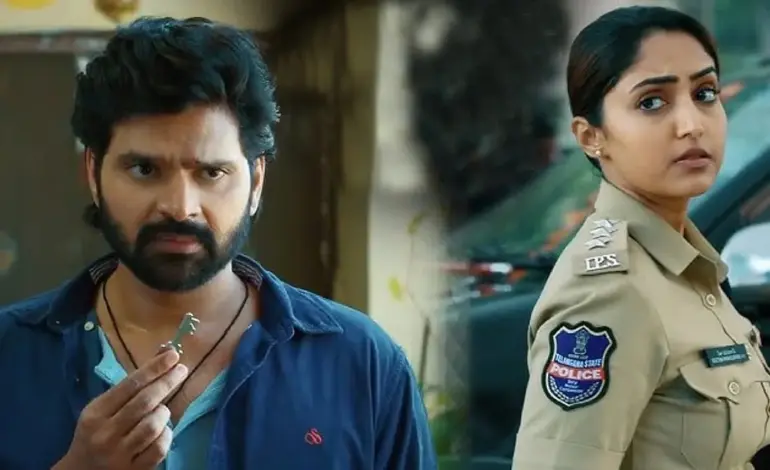
Biker Movie Review: A New Chapter in Indian Cinema
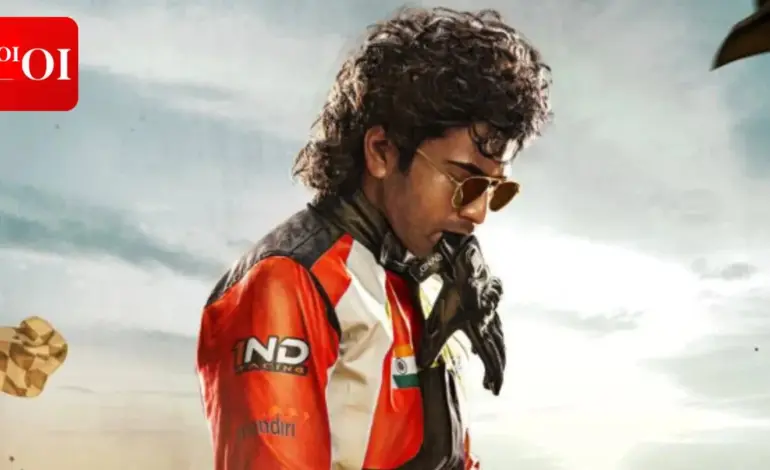
Reaction from the field
The release of Biker on April 3, 2026, marks a significant milestone in Indian cinema as it introduces the country’s first motocross film. The film has generated considerable buzz, not only for its unique theme but also for its exploration of complex family dynamics set against the backdrop of high-octane racing. With a runtime of 2 hours and 35 minutes, it aims to captivate audiences with both thrilling visuals and emotional depth.
Starring Sharwanand as Vikas Narayan and Rajasekhar as Sunil Narayan, the film delves into the intricate relationship between a father and son, intertwined with the adrenaline-fueled world of motocross racing. This narrative choice is particularly noteworthy as it attempts to blend the excitement of sports with the emotional resonance of family ties, a combination that is often underexplored in Indian cinema.
Directed by Abhilash Reddy, Biker has been described as a stylish racing film with strong visuals and impactful music, especially in the climax. The music, composed by Ghibran, plays a crucial role in enhancing the film’s emotional and dramatic moments, contributing to its overall appeal. However, early reviews have indicated that while the film excels in its visual presentation, it struggles to maintain engaging drama throughout its narrative.
Despite the film’s ambitious premise, it has received a mixed response, currently holding a rating of 2.75 out of 5. Critics have pointed out that while Biker is one of the very few films to tackle the motocross genre in India, it lacks the engaging drama that could elevate it from being merely a sport movie. This sentiment reflects a broader challenge within the genre, where the thrill of the sport often overshadows character development and storytelling.
Supporting performances by Malvika Nair and the cinematography by J. Yuvraj have also been highlighted, adding layers to the film’s visual storytelling. However, the film’s pacing and narrative structure have been criticized, suggesting that it may not fully resonate with audiences looking for a compelling story alongside the racing sequences.
As the film continues to screen across various theaters, its performance at the box office will be closely monitored. The response from audiences will be crucial in determining whether Biker can carve out a niche for itself within the Indian film landscape. The film’s unique premise and the star power of its cast could potentially draw in viewers, but the question remains whether it can sustain their interest beyond the initial thrill of motocross racing.
Details remain unconfirmed regarding the film’s long-term impact on the genre and its reception among fans of both racing and family dramas. The coming weeks will reveal how Biker influences future projects in Indian cinema, particularly those that seek to blend sports with emotional storytelling.