IRGC: The Rising Power Behind Iran’s Political Landscape
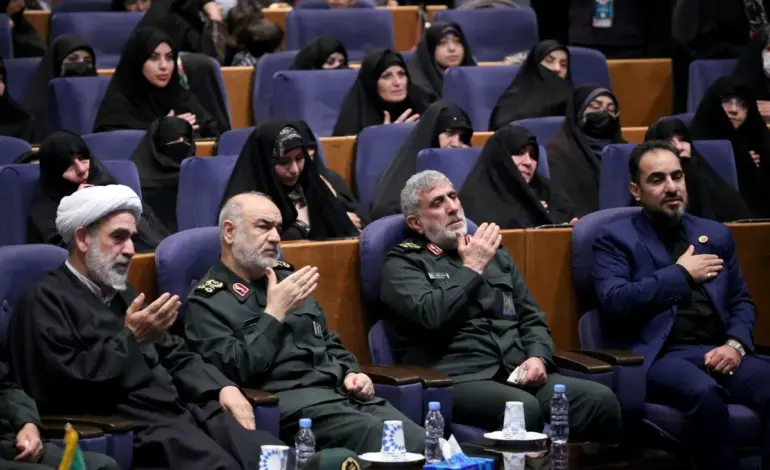
The central question emerging from the current political turmoil in Iran is: How has the Islamic Revolutionary Guard Corps (IRGC) managed to consolidate power so effectively? The answer lies in a combination of strategic maneuvering and a significant power struggle with President Masoud Pezeshkian, who now finds himself in a “complete political deadlock.”
Since the IRGC has assumed control, it has taken charge of key state functions, effectively sidelining Pezeshkian. Reports indicate that a military council composed of senior IRGC officers is making daily decisions, further entrenching their influence. This shift has raised alarms, particularly as Pezeshkian expressed concerns about the IRGC’s approach to escalating tensions in the region, especially towards neighboring Gulf countries.
Adding to the intrigue, Mojtaba Khamenei, who was recently named Supreme Leader, has not been seen or heard from, leading to speculation about his health. Some reports suggest he may be in a coma or critical condition, leaving a power vacuum that the IRGC is eager to fill. The IRGC has established a strict security cordon around him, indicating their desire to maintain control over the leadership transition.
Ahmad Vahidi, a prominent IRGC figure, has publicly insisted that all vital leadership positions should be managed by the IRGC, further solidifying their grip on power. This has led to the blocking of presidential appointments, showcasing the military’s growing dominance in Iran’s political landscape.
The IRGC’s influence extends beyond politics; it has developed a robust business empire that finances its operations and the regime. This economic power, combined with military might and an intelligence network, has allowed the IRGC to emerge as a “state-within-a-state.”
In a striking move, the IRGC has labeled 18 US companies as “terrorist” and warned their employees to leave their workplaces immediately to save their lives. This escalation of rhetoric is indicative of the IRGC’s willingness to confront external threats while consolidating its internal power.
As the situation unfolds, the long-term implications of the IRGC’s consolidation of power remain uncertain. The dynamics of Iran’s leadership and governance may shift dramatically, depending on the health of Mojtaba Khamenei and the IRGC’s continued influence. Details remain unconfirmed regarding his condition, leaving the nation in a precarious state.
The IRGC’s actions and the political deadlock faced by Pezeshkian suggest a significant transformation in Iran’s governance structure, one that could redefine the country’s future trajectory.