The impact of Fidel Castro’s leadership is still profoundly felt in Cuba, particularly as the nation navigates the complexities of Raúl Castro’s presidency. The transition from Fidel to Raúl marked a pivotal moment in Cuban history, as the latter sought to implement significant reforms while grappling with the legacy of his brother’s long-standing rule. The stakes are high, as Cuba faces a humanitarian crisis exacerbated by economic challenges and international tensions.
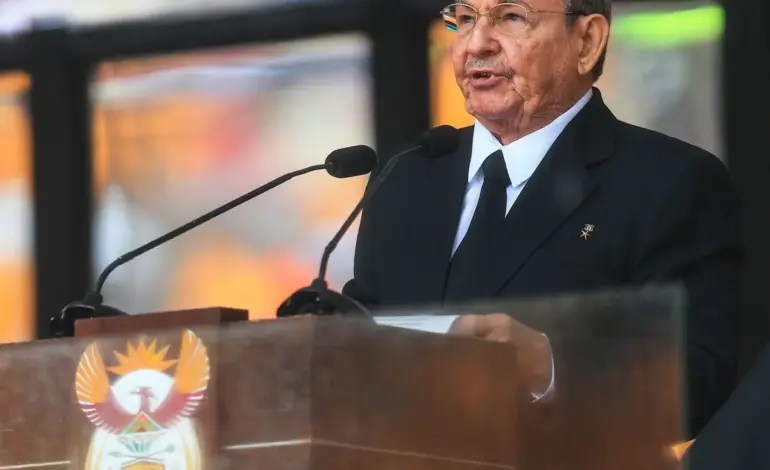
Raúl Castro, who succeeded Fidel as the head of state in February 2008, initiated various economic reforms aimed at revitalizing the stagnant Cuban economy. These included the removal of wage restraints and the allowance of private enterprise, which were crucial steps in addressing the country’s dire economic situation. Under Raúl’s leadership, Cuba experienced a notable 11 percent decline in GDP in 2020, a stark indicator of the challenges that lay ahead.
One of the most significant consequences of Raúl Castro’s reforms was the layoff of approximately 500,000 government employees, a move that aimed to streamline the economy but also led to widespread discontent among the populace. This discontent was further fueled by the nationwide blackouts resulting from an oil blockade implemented by the Trump administration, which the United Nations warned could lead to a humanitarian crisis. The health situation in Cuba was particularly concerning, with Tedros Adhanom Ghebreyesus, Director-General of the World Health Organization, stating that the delivery of health services was in peril.
Raúl Castro’s tenure was also marked by his historic talks with Barack Obama in 2014, which led to the reopening of embassies and a re-establishment of diplomatic relations between the two nations. This thawing of relations was a significant shift from the previous decades of hostility, yet the subsequent administration under Donald Trump reversed many of these diplomatic gains, further complicating Cuba’s international standing.
As Raúl Castro announced his retirement from the Communist Party in April 2021, the future of Cuba’s political landscape remained uncertain. His departure signaled the end of an era, as 70 percent of the Cuban population was born after the triumph of the revolution, indicating a generational shift in perspectives and expectations. The new leadership under Miguel Díaz-Canel faces the daunting task of addressing the economic and social issues that have persisted for decades.
Díaz-Canel has emphasized the need for dialogue and common agendas, stating, “First, we must build a channel for dialogue. Then, we must build common agendas of interests for the parties.” This approach reflects an understanding of the complexities involved in governing a nation with deep-rooted historical grievances and current economic hardships. However, the effectiveness of such strategies remains to be seen.
Looking ahead, Cuba’s challenges are manifold. The nation requires an estimated 94 million dollars to address the energy crisis and hurricane damage, a significant financial burden for a country already struggling economically. The uncertainties surrounding Cuba’s political and economic future are palpable, as the nation grapples with the legacies of its past leaders while striving for a more stable and prosperous future.
Details remain unconfirmed regarding the specific steps that will be taken to address these pressing issues, but the need for reform and adaptation is clear. As Cuba stands at this crossroads, the enduring legacy of Fidel Castro continues to shape its path forward.