UPPCS 2024 Results: A Landmark Year for Women in Civil Services
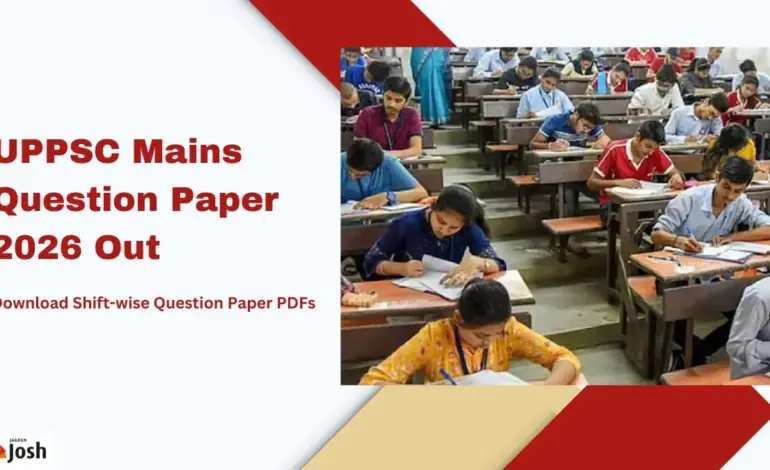
The recently announced results of the UPPCS 2024 examination have highlighted a significant milestone, particularly for women candidates. Neha Panchal emerged as the top scorer, followed closely by Ananya Trivedi in second place and Abhay Pratap Singh securing third. This year’s results are notable not only for the top positions but also for the representation of women, with six women making it to the top ten.
The examination process began with the preliminary examination held on December 22, 2024, attracting a staggering 241,359 candidates. Following this, the mains examination took place from June 29 to July 2, 2025, culminating in interviews conducted between February 16 and March 20, 2026. The final results were declared on March 29, 2026, revealing that out of 947 total posts, 932 have been filled.
In a breakdown of the selected candidates, 613 are men while 319 are women, reflecting a success rate of 34.22% for female candidates. This figure marks a significant achievement in a field traditionally dominated by men, suggesting a gradual shift towards gender parity in civil services.
The success of women in this year’s UPPCS is particularly noteworthy given the backdrop of protests in November 2024, where aspirants demanded the preliminary examination be conducted in a single day due to a paper leak incident. This context adds weight to the achievements of the candidates, as they have navigated a challenging landscape to secure their positions.
Ashok Kumar, a representative of the commission, stated, “Information regarding candidates’ marks and category-wise/post-wise cut-off marks will soon be published on the Commission’s website.” This announcement is anticipated by many, as it will provide further insights into the performance of candidates across different categories.
As the dust settles on the UPPCS 2024 results, the implications for future examinations and the ongoing discourse around gender representation in civil services remain to be seen. The success of candidates like Neha Panchal and Ananya Trivedi could inspire a new generation of aspirants, particularly women, to pursue careers in public service.
While the immediate outcomes are clear, uncertainties linger regarding the long-term impact of these results on the recruitment process and future examinations. Details remain unconfirmed regarding any changes that may be implemented in response to this year’s outcomes.