No Kings Protest: A Nationwide Movement Against Authoritarianism
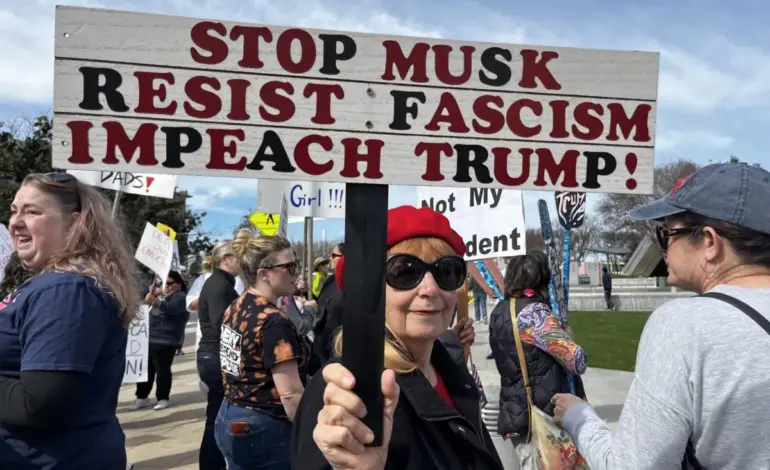
The central question surrounding the No Kings protests is: What is driving millions of Americans to take to the streets against perceived authoritarian governance? The answer lies in a collective response to the aggressive policies of the Trump administration, particularly regarding immigration, foreign conflicts, and civil rights.
Launched on Donald Trump’s birthday in 2025, the No Kings movement has rapidly gained momentum, with over 3,200 events planned across all 50 states for the upcoming protests on March 28, 2026. The first event in this series drew an estimated 4 million to 6 million participants across roughly 2,100 sites nationwide, signaling a significant public outcry.
The second event in October saw participation swell to approximately 7 million people in more than 2,700 cities, indicating a growing discontent among the populace. Protesters have rallied against Trump’s controversial immigration policies, the ongoing war in Iran, and the rollback of transgender rights, showcasing a broad spectrum of grievances.
Internationally, the No Kings movement has inspired demonstrations in over a dozen countries. Notably, thousands protested in Rome against Israeli and U.S. attacks on Iran, while in Paris, Americans living abroad joined forces with labor unions and human rights organizations to voice their dissent.
As the movement continues to evolve, prominent figures like actor Robert De Niro have emphasized the need for peaceful resistance, stating, “It’s that simple, and we have to stand up to him, to the regime, fight it with everything. We just got to fight, you know, peacefully, but we have to resist. We have to. We have no choice.” This sentiment resonates with many participants who feel compelled to act against what they perceive as an encroachment on democratic values.
Looking ahead, the scale of the upcoming No Kings protests raises questions about their potential impact on U.S. politics and society. Will this movement lead to significant policy changes, or will it merely serve as a symbolic gesture of resistance? As the date approaches, the anticipation builds, and the world watches closely.
Details remain unconfirmed regarding the specific outcomes of these protests, but the sheer volume of planned events and participants suggests a pivotal moment in the ongoing struggle for civil rights and democratic governance in the United States.