Kp sharma oli: K.P. Sharma Oli Arrest: A Turning Point in Nepal’s Political Landscape
The wider picture
The Gen Z protests, which erupted in September 2025, were a response to the mounting frustrations over economic hardship and governance issues in Nepal. The protests, driven largely by the youth, aimed to address the perceived failures of the political elite, culminating in a tragic outcome that left 76 people dead, with 19 of those fatalities resulting from police firing on September 8, 2025. This unrest has now led to a significant turning point in the country’s political landscape.
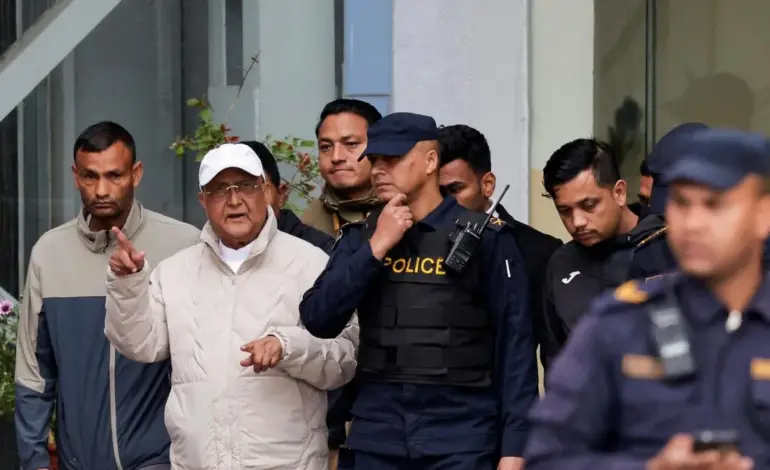
On March 28, 2026, K.P. Sharma Oli, the former Prime Minister and leader of the Communist Party of Nepal (Unified Marxist–Leninist), was arrested at his residence in Gundu, Bhaktapur, on charges of culpable homicide linked to the protests. The timing of his arrest is particularly noteworthy, as it came just a day after the swearing-in of a new government led by Balendra Shah, marking a shift in political power dynamics.
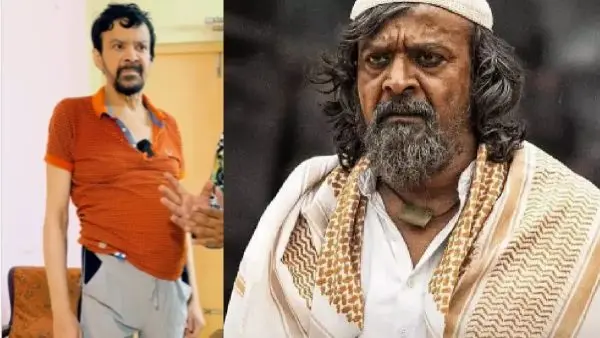
Ramesh Lekhak, another prominent political figure, was also arrested in Suryabinayak, Bhaktapur, as part of the same investigation. The probe commission had previously recommended the prosecution of both Oli and Lekhak for negligent killings, a recommendation that has now been acted upon. The commission’s report, submitted to the outgoing government on March 8, 2026, has been a catalyst for these developments.
Following the arrests, Sudhan Gurung, the new Home Minister, stated, “A promise is a promise: No one is above the law,” emphasizing the government’s commitment to justice. He further remarked, “This is not revenge against anyone; this is the beginning of justice,” indicating that the new administration aims to restore public trust in governance through accountability.
However, the response from Oli’s party has been one of defiance. Yogesh Bhattarai, a spokesperson for the Communist Party, declared, “We will protest in the strongest form as our chairman Oli has been arrested unconstitutionally and illegally.” This statement reflects the party’s belief that the arrests are politically motivated and part of a broader strategy to undermine their influence.
As the political tension escalates, observers are keenly watching how the situation will unfold. A decision regarding the custody of Oli and Lekhak is expected to be made after the courts reopen on Sunday, which could further impact the political climate in Nepal. The ongoing protests and the government’s response will likely shape the narrative of accountability and justice in the coming weeks.
In the backdrop of these events, the youth’s demand for clean governance and accountability remains a focal point. As noted by political analyst Hari Sharma, “The youth demanded clean governance and accountability, but this must be achieved through the rule of law, not rule by law.” This sentiment encapsulates the broader aspirations of the Gen Z movement and highlights the critical need for a balanced approach to governance in Nepal.
As the dust settles on these arrests, the implications for Nepal’s political future remain uncertain. With a new government in place and significant public unrest, the path forward will require careful navigation to ensure that justice is served while maintaining stability in the nation. Details remain unconfirmed regarding the full extent of the political fallout from these developments, but one thing is clear: the arrest of K.P. Sharma Oli is a pivotal moment in Nepal’s ongoing struggle for accountability and reform.