Kash Patel’s Email Hacked: A New Chapter in Cyber Warfare?
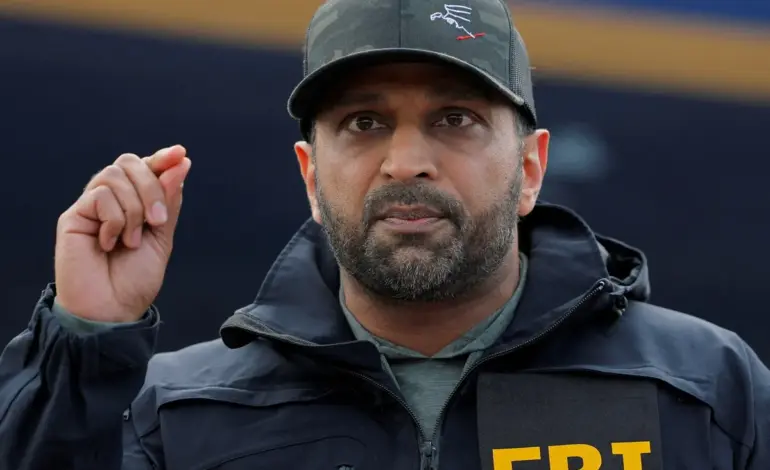
In a significant turn of events, Kash Patel, the current director of the FBI, has found himself at the center of a cyber incident that raises pressing questions about the security of high-profile figures. Just before the breach, Patel’s leadership had already been marked by controversy and accusations of misuse of the FBI, setting the stage for a potential backlash.
On a recent date, the Handala Hack Team, a group claiming to be pro-Palestinian hacking vigilantes, announced that they had successfully hacked Patel’s personal email account. They claimed that the operation was executed in retaliation for a US-Israeli strike in Iran, highlighting the intersection of international politics and cyber warfare.
The breach reportedly included sensitive photographs and documents from Patel’s emails, although authorities have confirmed that classified systems were not impacted. This detail may provide some reassurance, yet it does little to mitigate the embarrassment for Patel, who now joins the ranks of high-profile victims of cyberattacks.
As the news broke, the Handala Hack Team boasted, “The so-called ‘impenetrable’ systems of the FBI were brought to their knees within hours by our team.” This statement not only underscores the vulnerability of even the most secure systems but also signals a shift in the landscape of cyber warfare.
In the aftermath, Candace Owens, a prominent figure often associated with Patel, dismissed claims linking her to the hacking as baseless. She stated, “I’m the mastermind: Candace Owens dismisses link to Kash Patel cyberattack as misinformation spreads online,” further complicating the narrative surrounding the incident.
Some documents released in the hack were reportedly over a decade old, raising questions about the relevance and impact of the information disclosed. Nevertheless, the operation has been described as the beginning of a new chapter in cyber warfare, suggesting that such attacks may become more frequent and sophisticated.
Currently, the FBI and the Department of Justice have not commented on the incident, leaving many to speculate about the implications for Patel and the agency’s reputation. The lack of a response may indicate a strategic decision to avoid escalating the situation further.
This sequence of events matters not only for Patel but also for the broader implications it holds for cybersecurity practices within government agencies. As cyber threats evolve, the need for robust defenses and rapid responses becomes increasingly critical.
As the digital landscape continues to change, the fallout from this incident will likely reverberate through discussions on national security and cyber intelligence. The Handala Hack Team’s actions may serve as a wake-up call for those in power, emphasizing the necessity of vigilance in an era where information is both a weapon and a target.
Details remain unconfirmed, but the implications of this breach are already being felt across various sectors, prompting a reevaluation of cybersecurity measures and protocols.