Eu-parlament: European Parliament’s Controversial Vote on Migration Policies
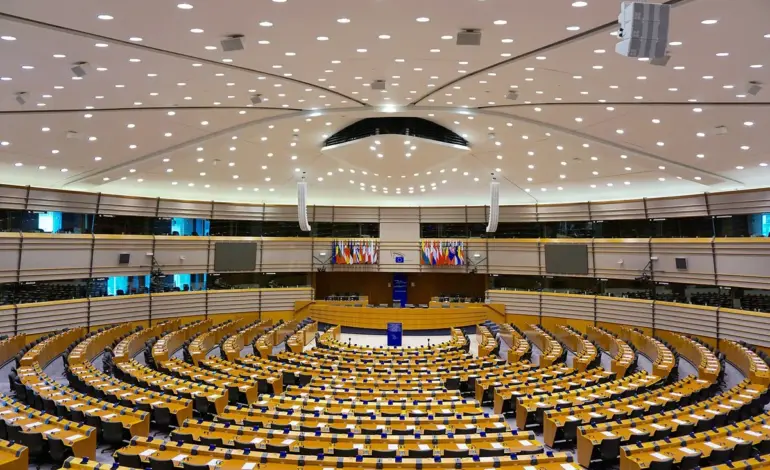
Historically, the European Parliament has served as a counterbalance to the more hardline approaches of EU governments regarding migration. This role has allowed for a more humane treatment of asylum seekers and refugees, fostering a system that, while imperfect, aimed to uphold human rights standards.
However, a decisive shift occurred on March 27, 2026, when the European Parliament voted on new EU return policies in the field of migration. The vote saw 389 members in favor, 206 against, and 32 abstentions, indicating a significant majority backing a more stringent approach to migration.
The newly adopted policies allow for the detention of individuals without the right to stay in the EU for up to two years, an increase from the previous maximum of 18 months. This change has raised alarms among human rights advocates, who argue that such measures could lead to severe violations of rights.
Furthermore, the proposals include the establishment of ‘return hubs’ outside the EU for deported individuals, a move that has been criticized for potentially creating legal black holes where asylum seekers could disappear without recourse to their rights. Countries like Germany, the Netherlands, Austria, Greece, and Denmark are collaborating to set up these hubs, raising questions about the oversight of human rights in these locations.
Critics of the vote, including organizations like the International Rescue Committee, have labeled it a historic setback for refugee rights. They argue that the policies are influenced by a coalition of mostly centre-right and far-right lawmakers, with 38 specific formulations proposed by the far-right ESN group.
Charlie Weimers, a prominent figure in the debate, stated, “The era of deportations has begun,” highlighting the stark shift in the EU’s approach to migration. Marta Welander, another expert, warned that the new policies would strip individuals of rights based solely on their migration status, paving the way for a punitive EU asylum regime.
Mélissa Camara described the vote as a “vote of shame” that could lead to the detention of children without proper legal grounds. This sentiment reflects a growing concern about the implications of these policies for vulnerable populations.
As the EU moves forward, negotiations between lawmakers and member states will determine the final legislative text. The outcome of these discussions will be critical in shaping the future of migration policies in Europe.
Details remain unconfirmed regarding the potential impacts of these changes on asylum seekers and the operationalization of the return hubs. The path ahead appears fraught with challenges as the EU navigates the complex landscape of migration and human rights.