Rupali Chakankar Viral Video: A Turning Point in Maharashtra’s Political Landscape
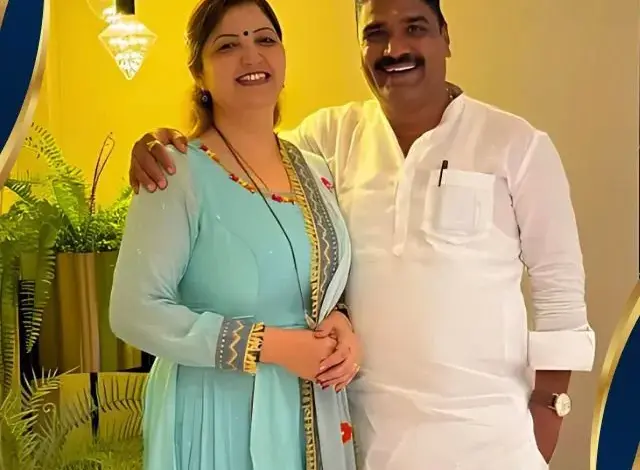
Who is involved
Prior to the emergence of the viral video, Maharashtra’s political landscape was marked by a sense of stability, albeit with underlying tensions. The Maharashtra State Women’s Commission, where Rupali Chakankar served as a trustee, was seen as a platform for advocating women’s rights and addressing issues of gender-based violence. However, the political patronage enjoyed by figures like Ashok Kharat, who had operated in Nashik for nearly two decades, created a facade of security that masked deeper societal issues.
The decisive moment came in mid-March 2026 when a shocking video of Ashok Kharat surfaced, depicting him urinating into a glass and offering it to a woman. This incident not only went viral but also led to Kharat’s arrest on multiple charges, including rape and molestation. The immediate fallout was significant; Rupali Chakankar resigned from her position on the Maharashtra State Women’s Commission on March 20, 2026, amidst growing public outrage and scrutiny.
The ramifications of this viral video have been profound for all parties involved. Chakankar’s resignation signifies a potential shift in accountability within the political framework, as she was previously linked to Kharat through her role as a trustee of his charitable trust, Shivanika. Meanwhile, Kharat’s arrest has led to a Special Investigation Team (SIT) being constituted to delve deeper into his alleged crimes, which now include over eight registered cases against him. The investigation has also unearthed troubling connections, such as Kharat’s daughter’s partnership with the wife of a Deputy Collector, suggesting a web of complicity that extends beyond Kharat himself.
Experts have weighed in on the implications of this case. Chief Minister Devendra Fadnavis noted that eight cases had been registered against Kharat, emphasizing the need for a thorough investigation. The involvement of Neeraj Jadhav, a former employee of Kharat who recorded over a hundred videos of alleged assaults, adds a layer of complexity to the case. This evidence could potentially reshape public perception and lead to further legal actions against Kharat and his associates.
Moreover, the political ramifications are already being felt. Political figures like Jitendra Awhad have hinted at revealing names of implicated MLAs, while Raj Thackeray suggested that the situation might be exploited to undermine political ambitions. This indicates that the fallout from the viral video may extend into broader political maneuvering, as various factions seek to capitalize on Kharat’s downfall.
As the investigation unfolds, it is essential to consider the historical context of Kharat’s actions. His operations were reportedly protected by political patronage across party lines, highlighting a systemic issue within Maharashtra’s political framework. The enactment of the Maharashtra Prevention and Eradication of Human Sacrifice and other Inhuman, Evil and Aghori Practices and Black Magic Act in 2013 underscores the state’s ongoing struggle with addressing deeply rooted societal issues.
In summary, the Rupali Chakankar viral video has catalyzed a significant shift in Maharashtra’s political landscape, exposing the fragility of power dynamics and the urgent need for accountability. As the SIT continues its investigation, the outcomes may redefine the relationships between political figures and the public, potentially leading to a more transparent governance model. Details remain unconfirmed regarding the full extent of the implications for those involved, but the case has undoubtedly opened a Pandora’s box of revelations that could reshape the future of Maharashtra politics.