Nipah virus: The : A Persistent Threat in Kerala, India
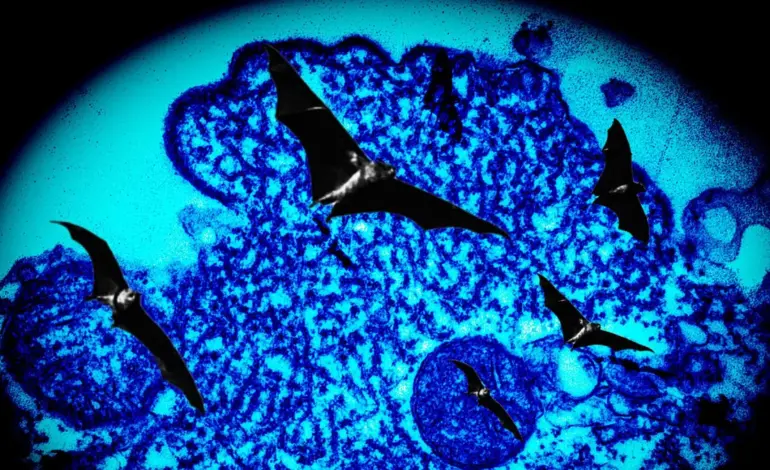
The central question surrounding the recent outbreaks of the Nipah virus in Kerala, India, is: how can a virus that is both preventable and lethal continue to pose a significant threat? The answer lies in its periodic nature and the challenges in surveillance and preparedness.
The Nipah virus, first identified in Malaysia in 1999, is transmitted to humans through infected animals or contaminated food. In India, the first outbreak occurred in Kerala in May 2018, and since then, the state has experienced multiple outbreaks, including recent cases in 2023.
As of 2026, Kerala has reported two deaths linked to the Nipah virus, with a total of 700 individuals identified on the contact list for potential risk. The latest outbreak in West Bengal involved two nurses who slipped into a coma, highlighting the virus’s severe impact.
Symptoms of Nipah virus infection can include fever, headache, muscle pain, and respiratory problems. The persistence of the virus is alarming; as scientists note, “The danger of Nipah virus is in its persistence, that is, it is periodic, lethal, and preventable.” This underscores the need for effective public health measures.
Deforestation and urban expansion in Kerala have been identified as factors that amplify the risk of Nipah virus transmission. The fruiting season, which peaks around April, correlates with increased cases, suggesting a link between environmental changes and outbreak patterns.
Despite the known risks, surveillance and preparedness for Nipah virus outbreaks have been criticized as poor and episodic. As Dr. Anish pointed out, “Surveillance is activated too late, research funding is sporadic, and preparedness is episodic.” This raises concerns about the state’s ability to manage future outbreaks effectively.
In response to the ongoing threat, awareness campaigns targeting children are planned in Kerala, given that past infections have affected younger populations. Recommendations for the public include avoiding fruits lying on the ground or those bitten by bats, washing and peeling fruits before consumption, and steering clear of bat roosts.
As health officials continue to monitor the situation, the uncertainty surrounding the Nipah virus remains a pressing concern. Details remain unconfirmed regarding the full extent of the recent outbreaks and the effectiveness of the measures being implemented.
The Nipah virus serves as a stark reminder of the intersection between environmental health and public safety. With no licensed medicines or vaccines currently available, the focus remains on prevention and awareness to mitigate the risks associated with this deadly virus.