Argentina Takes Bold Step: Designates Jalisco New Generation Cartel as Terrorist Organization
Key moments
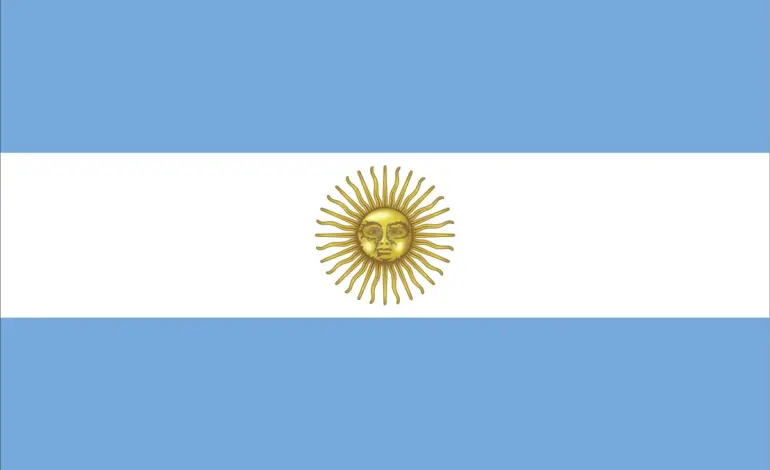
In a significant development, Argentina has officially designated the Jalisco New Generation Cartel (CJNG) as a terrorist organization as of March 26, 2026. This decision marks Argentina as the first Latin American country to take such a bold step against the cartel, which has been previously labeled a terrorist organization by both the United States and Canada. The Argentine government, led by President Javier Milei, aims to bolster international cooperation in combating organized crime across the Western Hemisphere.
The designation comes amid rising concerns over the cartel’s violent activities and its impact on regional security. According to reports, the CJNG has been involved in numerous violent incidents, contributing to a significant rise in crime rates in various countries. The Argentine government hopes that this move will strengthen ties with other nations already aligned against the cartel, as stated by the Office of Javier Milei: “It strengthens international cooperation in matters of security and justice, in close coordination with those countries that have already designated the Jalisco cartel a terrorist organization.”
In a related context, the Jalisco New Generation Cartel was founded in 2010 from divisions within the Milenio Cartel. Over the years, it has grown into one of the most powerful and dangerous criminal organizations in Mexico, notorious for its brutal tactics and expansive drug trafficking operations. The cartel’s designation as a terrorist organization by Argentina is viewed as a crucial step in addressing the broader implications of drug-related violence that transcends national borders.
On a different note, the Argentine national football team is gearing up for the FIFA World Cup 2026, with Lionel Messi confirmed to play. Head coach Lionel Scaloni expressed enthusiasm about Messi’s participation, stating, “Yes, he is going to play; it’s another great opportunity for everyone to enjoy what we enjoy every time he’s here.” Messi, now 38 years old, led Argentina to its third World Cup title in Qatar four years ago, and his return is highly anticipated by fans and players alike.
However, the team faces challenges as well. Joaquín Panichelli recently suffered an injury during training, raising concerns about squad depth ahead of their upcoming matches against Mauritania and Zambia. The excitement surrounding Messi’s return is tempered by the realities of team dynamics and the physical toll of competitive sports.
While Argentina’s designation of the CJNG as a terrorist organization is a significant step towards enhancing national and regional security, it also highlights the complexities of addressing organized crime. The former U.S. President Donald Trump previously stated, “The only way to defeat these enemies is by unleashing the power of our military,” reflecting a more aggressive stance on combating such threats. As Argentina navigates its new security policy, the implications for international relations and domestic safety remain to be seen.
As these developments unfold, the Argentine government is likely to face both domestic and international scrutiny regarding its approach to organized crime and terrorism. The intertwining of sports and security in Argentina continues to capture public attention, with Messi’s legacy and the fight against the CJNG serving as focal points in the national discourse. Details remain unconfirmed regarding the full impact of these decisions on Argentina’s future.