The numbers
The Lok Sabha has passed the Finance Bill 2026, marking a significant shift in India’s tax landscape with a flat 12% surcharge on share buybacks. This amendment aims to clarify the tax implications for shareholders, with capital gains from buybacks taxed at 30% for promoters and 22% for promoter companies.
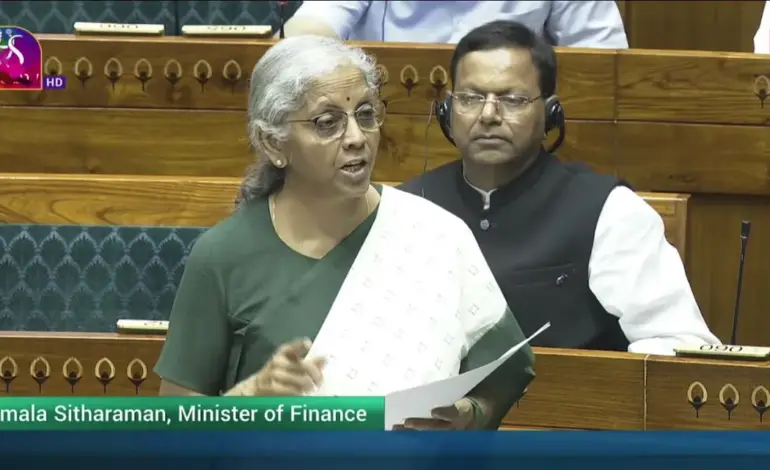
Finance Minister Nirmala Sitharaman highlighted the importance of these reforms, stating that the new Income Tax Act, effective from April 1, 2026, will enhance income tax administration and provide clarity for investors. The amendments also specify that the surcharge on buyback income is capped at 12%, a move that is expected to benefit small and mid-sized companies significantly.
In a notable shift, the turnover limit for startups eligible for tax holidays has been increased from ₹100 crore to ₹300 crore, a decision aimed at fostering growth in the startup ecosystem. This change reflects the government’s commitment to supporting small and medium enterprises (SMEs) and enhancing their contribution to the economy.
Additionally, the Finance Bill introduces a three-year tax exemption on dividend income for cooperative federations, a strategic initiative intended to boost the incomes of small cooperative members and encourage broader participation in the sector. Sitharaman emphasized that cooperatives, MSMEs, and farmers are crucial for employment generation and economic growth.
The budget provision for public capital expenditure has also been set at over ₹12 lakh crore, which constitutes 3.1% of the GDP. This allocation is 11.5% higher than the revised estimates for 2025-26, indicating the government’s focus on infrastructure development. “Money will be spent to strengthen the country’s infrastructure,” stated Sitharaman, underscoring the administration’s commitment to enhancing the nation’s economic framework.
Observers note that while the amendments to the Finance Bill are designed to stimulate economic activity, the impact of the buyback surcharge may be limited to smaller transactions. Sandeepp Jhunjhunwala pointed out that large buybacks exceeding ₹1 crore are already subject to a higher surcharge rate of 15%, which could deter significant corporate buyback activities.
As the Finance Bill 2026 sets the stage for a transformative fiscal environment, the government’s plans to transfer over ₹25 lakh crore to the states this year signal a robust approach to federal financial relations. However, the long-term effects of these measures on economic growth and employment generation remain to be seen.
Details remain unconfirmed regarding the specific implementation strategies for these reforms, but the overarching goal appears to be a more inclusive economic framework that prioritizes the needs of cooperatives and MSMEs while ensuring a stable tax environment for investors.