LPG Gas Crisis: India’s Supply Under Threat Amid Geopolitical Tensions
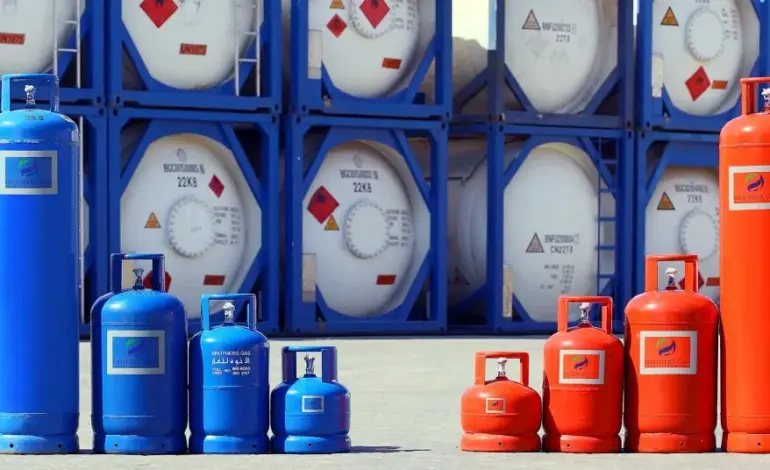
The ongoing geopolitical tensions have cast a shadow over India’s LPG gas supply, raising concerns about availability and accessibility for millions of households. With the effective closure of the Strait of Hormuz impacting approximately 54% of India’s LPG supplies, the government is under pressure to ensure that citizens do not face a severe shortage of this essential fuel.
India’s dependence on LPG imports is significant, with around 60% of its needs met through foreign sources. Alarmingly, 90% of these imports transit through the Strait of Hormuz, a critical chokepoint for global energy supplies. The recent disruptions in this region have led to a scramble for alternatives, as the government assures that domestic production has been ramped up by 40% compared to pre-conflict levels in West Asia.
Despite these assurances, the situation remains precarious. Sujata Sharma, a government spokesperson, noted, “The supply of LPG is affected due to the prevailing geopolitical situation, but a lot of cargo has been lined up.” This statement reflects the government’s efforts to mitigate the impact of external factors on domestic supply chains.
In response to the crisis, the government has increased waiting times for cylinder bookings, extending them from 21 days to 25 days in urban areas and 45 days in rural areas. This adjustment highlights the strain on distribution networks and the growing demand for LPG as households prepare for potential shortages.
Furthermore, the government is encouraging consumers to switch to piped natural gas (PNG) where available. Currently, only about 1.5 crore households have PNG connections compared to 33.3 crore domestic LPG connections, indicating a significant gap in infrastructure that could alleviate some pressure on LPG supplies.
As the situation unfolds, the government has directed refiners to maximize LPG production by diverting resources from petrochemical manufacturing. This strategic move aims to bolster domestic supply in the face of rising demand and dwindling imports. However, the effectiveness of these measures remains to be seen.
Details remain unconfirmed regarding how long the current geopolitical tensions will persist and their long-term impact on India’s energy security. The government’s proactive stance in increasing domestic production and urging a shift to PNG may provide some relief, but the reliance on imports continues to pose a significant risk to the stability of LPG supplies.
As India navigates these challenges, the need for a diversified energy strategy becomes increasingly clear. The current crisis serves as a reminder of the vulnerabilities inherent in relying heavily on foreign sources for critical energy needs, underscoring the importance of developing robust domestic production capabilities and alternative energy sources.