PM Modi Lockdown: Speculation vs. Reality in India
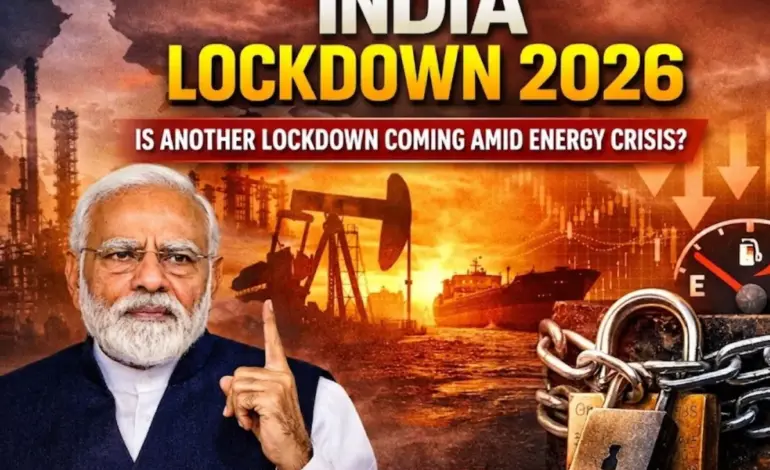
Before the recent developments, there was a palpable tension in India regarding the possibility of a nationwide lockdown, reminiscent of the stringent measures taken during the COVID-19 pandemic. Speculation was fueled by Prime Minister Narendra Modi’s remarks about ‘COVID-like preparedness,’ which coincided with the sixth anniversary of the 2020 lockdown.
However, the Indian government has since denied these rumors, emphasizing that there are no official plans for a lockdown. This decisive moment has shifted the narrative from one of fear and uncertainty to a focus on stability and readiness. The current situation is characterized as geopolitical and economic rather than a public health emergency, which marks a significant departure from the past.
In light of these reassurances, public sector oil companies have reported that retail outlets are well-stocked, alleviating concerns about supply shortages. This is particularly crucial as India relies on imported crude oil, with 60% of it coming through the Strait of Hormuz. The fluctuation of oil prices, ranging from $89 to $102 per barrel, adds another layer of complexity to the situation.
PM Modi’s call for citizens to rely on verified government sources reflects an effort to combat misinformation and maintain public trust. He stated, “We have to stay ready, we have to stay united,” reinforcing the importance of preparedness without resorting to lockdown measures.
Moreover, the government has taken proactive steps to address potential issues, such as the seizure of 2,000 illegally stored LPG cylinders in a single day, indicating a commitment to ensuring safety and stability in essential services.
Despite the government’s reassurances, public sentiment regarding a potential lockdown remains unclear. The echoes of past lockdown experiences during the COVID-19 pandemic continue to influence perceptions and reactions among the populace.
Experts suggest that while the immediate threat of a lockdown appears to be mitigated, the effects of the current geopolitical and economic circumstances are expected to last a long time. This perspective highlights the need for ongoing vigilance and adaptability in policy responses.
Details remain unconfirmed, but the emphasis on stability and readiness suggests that the government is prioritizing economic resilience over restrictive measures. As the situation evolves, the balance between public health and economic stability will remain a critical focus for policymakers.