Petrol Panic in Indore: Rumors Trigger Rush at Pumps
How it unfolded
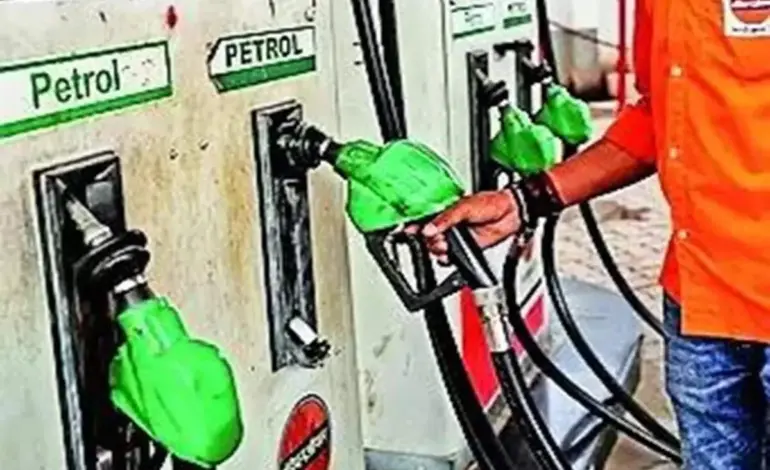
In recent days, the city of Indore, India, found itself at the center of a fuel frenzy as rumors of a petrol shortage began to circulate. The situation escalated quickly, prompting a wave of panic buying among motorists. Just before the key developments unfolded, residents were going about their daily routines, unaware that misinformation would soon disrupt their access to essential fuel.
On March 25, 2023, the calm was shattered as reports emerged that petrol pumps might run dry. This misinformation triggered a rush to fuel stations, with many residents fearing they would be left without petrol. Amid this chaos, the government stepped in to reassure the public that there was no shortage of essential fuels across the country. Officials confirmed that oil refineries were operating at high capacity, ensuring adequate stocks of petrol and diesel were available.
Despite the government’s reassurances, the panic buying continued. Some petrol pumps in Indore faced short-term dry-outs due to the sudden influx of customers and delayed tanker arrivals. M L Maru, the district supply controller, emphasized, “There is sufficient stock available and petrol pumps will continue to receive supplies.” This statement was crucial in calming the nerves of anxious motorists.
As the situation unfolded, Rajendra Wasu, president of the Indore petrol dealers’ association, explained the circumstances behind the panic. He noted, “There was some delay in supply from a depot of one oil company which created panic in the evening. But there is no shortage of fuel.” This clarification highlighted the importance of accurate information in preventing unnecessary chaos.
Currently, petrol and diesel prices remain unchanged in New Delhi, with petrol priced at ₹94.77 per litre and diesel at ₹87.67 per litre. The stability in fuel prices is notable, especially given the geopolitical uncertainties in energy-producing regions of the Middle East. This consistency in pricing contrasts sharply with the volatility seen in consumer behavior in Indore.
In Indore district, daily consumption is estimated at around 10 lakh litres of petrol and about 15 lakh litres of diesel. With around 275 fuel stations in the district, the infrastructure is in place to meet the demand. However, the recent panic has raised questions about consumer confidence and the impact of misinformation on fuel supply chains.
As the dust settles, residents like Rohit Sharma and Anjali Jain, who rushed to fill their tanks due to rumors, reflect on the events. Sharma stated, “I saw messages saying petrol pumps might run dry, so I came to fill fuel,” while Jain added, “Everyone suddenly came to fill petrol because of the rumours.” Their experiences underscore the power of information—and misinformation—in shaping consumer behavior.
In summary, while the government has assured citizens that there is no fuel shortage, the panic buying in Indore serves as a reminder of how quickly rumors can spread and disrupt daily life. As officials continue to monitor the situation, the focus will be on restoring public confidence in the fuel supply and ensuring that such panic does not recur in the future.