Supplementary voter list 2026: Significant Changes in the in West Bengal
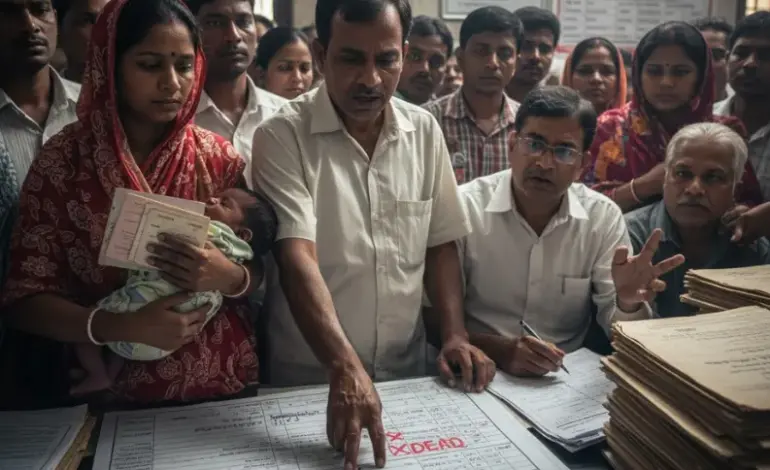
Before the recent developments surrounding the supplementary voter list 2026, expectations were set high as the Election Commission of India (ECI) and West Bengal’s Chief Electoral Officer (CEO) prepared to address pending voter records. The initial draft roll had included a staggering 7,08,16,630 names, creating a backdrop of anticipation for a smooth electoral process.
However, a decisive moment arrived with the publication of the first supplementary voter list on March 24, 2026. This list revealed that 27 lakh pending voter records had been settled, with approximately 2 lakh names processed daily. This rapid progress indicates a significant shift from the earlier expectations of a cumbersome and drawn-out process.
The implications of these changes are profound for the parties involved. With 29 lakh adjudications completed out of 60 lakh cases under judicial review, the ECI has taken a proactive stance in addressing discrepancies. This has led to the removal of 73 Returning Officers, underscoring the seriousness with which the commission is treating the integrity of the electoral process.
As the total number of voters in the state now stands at 7,04,59,284, the reduction from the earlier draft roll raises questions about the impact on voter turnout and party strategies. The supplementary list is crucial for ensuring that eligible voters can participate in the upcoming elections, and those whose names are excluded will have the opportunity to appeal through designated tribunals, as noted by Manoj Kumar Agarwal.
Moreover, the centralised processing of the list in the apex poll body’s office in Delhi reflects a systematic approach to managing voter registrations. This is a marked departure from past practices, where local discrepancies often went unaddressed, leading to disenfranchisement.
In light of these developments, the model code of conduct is being strictly enforced across all assembly constituencies, ensuring a level playing field as parties gear up for the elections. This enforcement is crucial in maintaining the integrity of the electoral process amidst the changes.
As the hard copy of the supplementary list is set to be published at the offices of district electoral officers, the anticipation among voters and political parties alike is palpable. The SIR exercise, which was announced on October 27 of the previous year, has now reached a critical juncture.
In summary, the supplementary voter list 2026 has not only settled numerous pending records but also reshaped the electoral landscape in West Bengal. The proactive measures taken by the ECI signal a commitment to transparency and accountability in the electoral process.
Details remain unconfirmed regarding the final implications of these changes on voter turnout and party dynamics as the elections approach.