Sir: The Impact of the Special Intensive Revision () on West Bengal’s Electoral Landscape
What the data shows
The recent Special Intensive Revision (SIR) of electoral rolls in West Bengal raises a critical question: how will the substantial changes to the voter list affect the upcoming elections? The answer is multifaceted, as the SIR process has led to the deletion of over 61.7 lakh names from the electoral rolls, significantly reshaping the electorate.
As of today, the Election Commission of India (ECI) is set to publish the first supplementary voter list under the SIR process. This initiative has seen the settlement of 27 lakh pending voter records, with approximately 2 lakh names being processed daily. The urgency of this process is underscored by the establishment of 19 appeal tribunals across 23 districts, staffed by former judges of the High Court, to handle disputes arising from the revisions.
However, the SIR process has not been without controversy. The deletion of 61.7 lakh names raises concerns about voter disenfranchisement, particularly as more than 60 lakh citizens’ names remain under adjudication. The implications of these deletions are particularly pronounced in constituencies like Bhabanipur, where 47,000 names were removed. This constituency is significant as Mamata Banerjee, the Chief Minister and leader of the Trinamool Congress, won the seat in 2021 by a margin of just 58,832 votes.
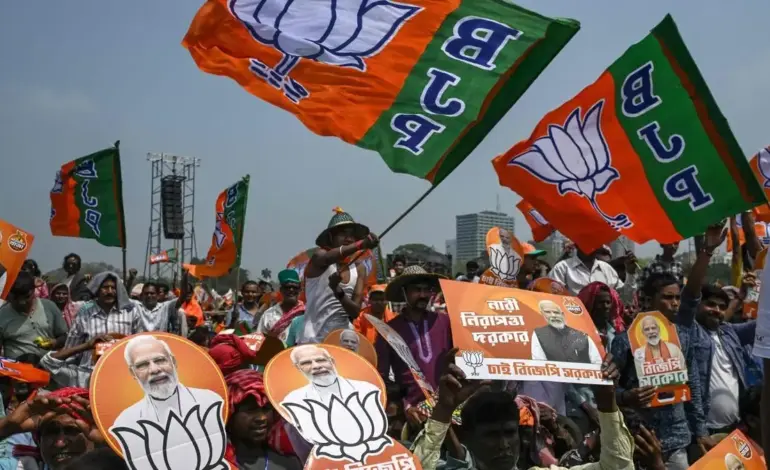
Political tensions have escalated as the Trinamool Congress and the BJP clash over the SIR process. Mamata Banerjee has publicly stated, “I will win from Bhabanipur even if by only one vote,” emphasizing her commitment to retaining her seat despite the electoral upheaval. Meanwhile, Prime Minister Narendra Modi has accused the Trinamool Congress of attempting to retain names of illegal immigrants and even deceased individuals on the voter list, further complicating the narrative surrounding the SIR.
The SIR process has been framed as a necessary step to ensure the integrity of the electoral rolls, but it has also sparked fears of political manipulation. The Trinamool Congress is reportedly concerned that the revisions could undermine their electoral strength, given their current lead over the BJP in both vote percentage and the number of seats.
As the ECI moves forward with the publication of the revised voter list, the immediate future of West Bengal’s political landscape remains uncertain. The ramifications of the SIR process will likely unfold as the elections approach, with both major parties strategizing to adapt to the new voter demographics.
In conclusion, the SIR process has introduced significant changes to West Bengal’s electoral rolls, raising important questions about voter representation and the integrity of the electoral process. Details remain unconfirmed regarding the long-term effects of these changes, but the political stakes are undeniably high as the state gears up for its next electoral battle.