How to Check Supplementary List of Sir: A New Era in Bengal’s Voter Registration
Who is involved
In West Bengal, the electoral landscape has undergone a notable transformation with the recent release of the supplementary voter list. Prior to this development, the expectation was that the electoral roll would remain static until the next major election cycle. However, the announcement of the supplementary list has introduced a new dynamic, as it provides a chance for voters whose eligibility was previously under scrutiny to have their names included.
The decisive moment came late on a Monday night when the first supplementary voter list was uploaded at around 11:55 pm. This list is particularly significant as it includes names of voters whose eligibility has been adjudicated, a process that saw approximately 29 lakh cases adjudicated by 705 judicial officers. The sheer volume of names—over 60 lakh—initially placed under judicial review underscores the complexity and scale of this undertaking.
The implications of this release are profound for the parties involved. For voters, it represents an opportunity to verify their registration status and potentially participate in upcoming elections. However, the uncertainty surrounding the exact number of names included or excluded from the supplementary list has left many in limbo. Manoj Agarwal, a key figure in this process, expressed his concerns, stating, “I don’t know how many names have been approved or rejected at this moment.” This sentiment reflects a broader anxiety among voters who are eager to understand their electoral standing.
Moreover, the Election Commission’s establishment of 19 appellate tribunals to hear appeals regarding the supplementary list indicates a structured approach to address grievances. Yet, the timeline for the formation and functioning of these tribunals remains unclear, adding another layer of uncertainty for those seeking resolution. As Agarwal noted, “We don’t know how many names have been deleted or how many names will be published,” highlighting the lack of transparency in the process.
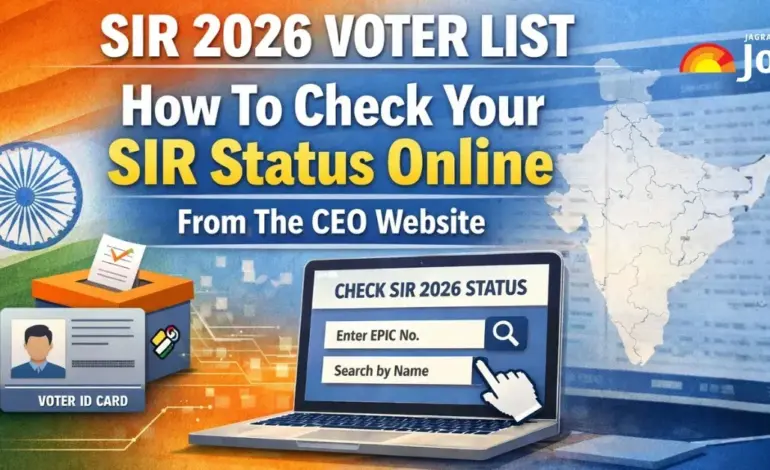
In terms of logistical access, the supplementary list can be viewed online at the Election Commission and Chief Electoral Officer’s websites, making it more accessible to the public. Additionally, hard copies of the list will be available through various local government offices, including District Election Officers (DEOs), District Magistrates (DMs), Sub-Divisional Officers (SDOs), and Block Development Officers (BDOs). This multi-faceted approach aims to ensure that voters can easily check their status.
However, the release of the supplementary list was not without its challenges. It faced multiple delays before its eventual publication, raising questions about the efficiency of the electoral process in West Bengal. Notably, the highest number of pending cases was reported in Murshidabad, with 11 lakh cases awaiting adjudication, while Malda and South 24 Parganas also had significant backlogs of 8.28 lakh and 5.22 lakh cases, respectively. These figures illustrate the extensive work that remains to be done to ensure a fair and comprehensive electoral process.
As the political landscape evolves, the second supplementary list is expected to be released soon, potentially on Friday. This upcoming release could further clarify the situation for many voters, but until then, details remain unconfirmed. The role of law enforcement has been noted positively, with Agarwal stating, “The role of police is good. They have taken prompt action in places where trouble erupted,” suggesting that the authorities are prepared to manage any unrest that may arise from the electoral process.
In summary, the release of the supplementary voter list marks a pivotal moment in West Bengal’s electoral history. It opens the door for many voters to check their eligibility and participate in the democratic process, but it also highlights the challenges and uncertainties that accompany such a significant undertaking. As the situation develops, it will be crucial for voters to stay informed and engaged with the ongoing changes in their electoral rights.