BSEB 12th Result: A Shift in Educational Expectations
Who is involved
The Bihar School Examination Board (BSEB) has long been a cornerstone of educational assessment in India, particularly in the state of Bihar. Traditionally, the board has set the pace for announcing results, often being the first in the country to do so. This year, however, the anticipation surrounding the BSEB 12th result was marked by heightened expectations and a significant number of candidates. With 1,317,846 students registered for the Class 12 Intermediate examinations, the stakes were particularly high.
Before the results were declared on March 23, 2026, at 1:30 PM IST, there was a palpable sense of uncertainty among students and educators alike. Many were speculating about the potential outcomes, especially in light of a new examination format that included a simplified MCQ pattern. Experts had predicted a slight increase in the overall pass percentage, which had been recorded at 86.56% in the previous year. This change in format was seen as a double-edged sword, offering both opportunities for improved performance and challenges in ensuring that students were adequately prepared.
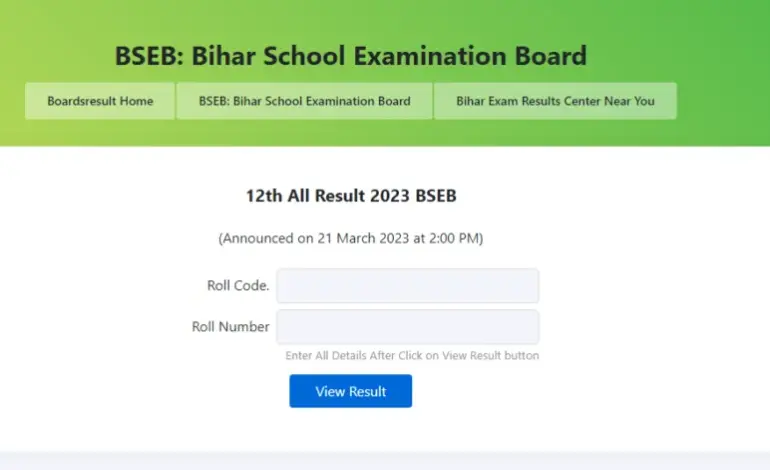
The decisive moment arrived when Education Minister Sunil Kumar announced the results at a press conference, revealing that the overall pass percentage indeed saw a modest increase. The immediate reaction from students and parents was one of relief and joy, as many had feared that the new format might lead to confusion and lower scores. The results were made accessible through various platforms, including the official websites and the BSEB Mobile App, ensuring that students could check their scores conveniently.
However, the announcement also highlighted disparities in performance among different regions and demographics within Bihar. While many students celebrated their achievements, others faced disappointment. The Bihar Government’s initiative to reward top rankers—₹2 Lakh for Rank 1, ₹1.5 Lakh for Rank 2, and ₹1 Lakh for Rank 3—added an additional layer of competition, motivating students to strive for excellence but also intensifying the pressure on those who did not perform as well.
In the aftermath of the results, the BSEB completed the Topper Verification process for potential rank holders, further emphasizing the board’s commitment to transparency and fairness. This process is crucial in maintaining the integrity of the examination system, especially given the large number of candidates involved. The BSEB, headquartered in Patna, continues to be one of India’s largest educational examination boards, and its decisions impact millions of students across the state.
Experts have weighed in on the implications of this year’s results, noting that while the increase in pass percentage is a positive sign, it is essential to address the underlying issues that may still affect student performance. The shift towards a more simplified examination format is a step in the right direction, but it must be accompanied by robust support systems for students, including better access to resources and guidance.
As the BSEB prepares for the upcoming Class 10 Matric Result, expected by March 28, 2026, the educational landscape in Bihar remains dynamic. The results of the 12th examination serve as a critical indicator of the state’s educational progress and the effectiveness of recent reforms. While the immediate effects of the results are being felt, the long-term implications for students, educators, and policymakers will unfold in the months to come.
Details remain unconfirmed regarding the specific factors that contributed to the changes in performance, but the overall sentiment among stakeholders is one of cautious optimism. The BSEB’s role in shaping the future of education in Bihar cannot be overstated, and as the board continues to evolve, so too will the expectations of its students and the community at large.