Skandamata: Maa : The Divine Protector of Peace and Prosperity
Reaction from the field
The worship of Maa Skandamata, celebrated on the fifth day of Navratri, carries profound implications for millions of devotees seeking peace and stability in their lives. As the mother of Lord Kartikeya, also known as Skanda, she embodies nurturing qualities and protective strength. This year, on March 23, 2026, devotees will don yellow attire, symbolizing positivity, as they engage in rituals dedicated to this revered deity.
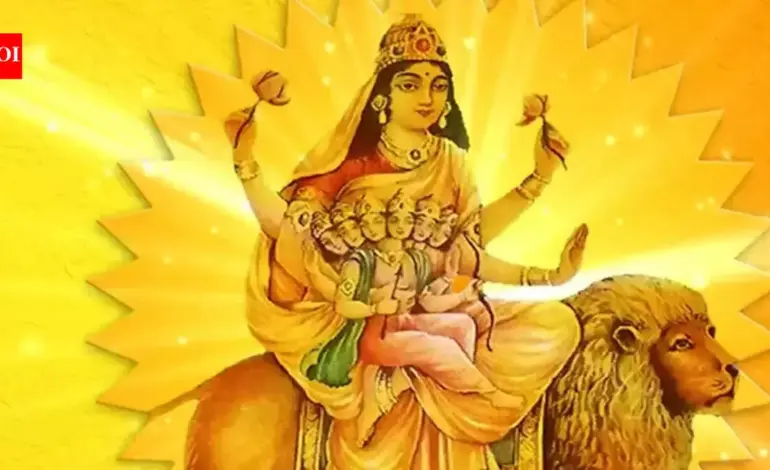
Maa Skandamata is not just another figure in the pantheon of Hindu deities; she is the fifth form of Maa Durga, representing a crucial aspect of motherhood and care. Her depiction, holding her son Skanda in her lap while riding a lion, emphasizes her dual role as a protector and a nurturer. This imagery resonates deeply with those who seek her blessings for emotional balance and family well-being.
On this auspicious day, offerings of bananas, cardamom, and cloves are made, each carrying its own significance. The number of cardamom and cloves offered is traditionally two, symbolizing harmony and balance. Rituals performed during this time focus on fostering stability in both personal and professional lives, making it a pivotal moment for many. Devotees are encouraged to meditate for 5-10 minutes, expressing gratitude and seeking blessings from Maa Skandamata.
According to Prime Minister Shri Narendra Modi, “देवी स्कन्दमाता की करबद्ध प्रार्थना! मेरी कामना है कि अपने ममतामयी स्नेह और आशीर्वाद से वे सबका जीवन आलोकित करें।” This statement reflects the collective hope among devotees that Maa Skandamata’s nurturing power will illuminate their lives. The rituals and prayers on this day are not merely ceremonial; they are deeply rooted in the desire for stability and prosperity.
Furthermore, Maa Skandamata is associated with the Vishuddha (throat) chakra, which governs communication and expression. This connection enhances the significance of her worship, as devotees seek clarity and strength in their interactions. The emphasis on emotional balance during this time aligns with the broader themes of Navratri, which celebrates the triumph of good over evil.
As the date approaches, the anticipation builds among devotees. The color yellow, associated with this day, is believed to attract positive energy, further enhancing the spiritual atmosphere. The rituals performed are designed to create a sense of community and shared purpose, uniting individuals in their quest for blessings and stability.
While the celebrations for Navratri Day 5 are expected to be vibrant and full of devotion, details remain unconfirmed regarding any new initiatives or events planned by local communities. The ongoing reverence for Maa Skandamata serves as a reminder of the enduring power of faith and the collective desire for peace and prosperity among her followers.