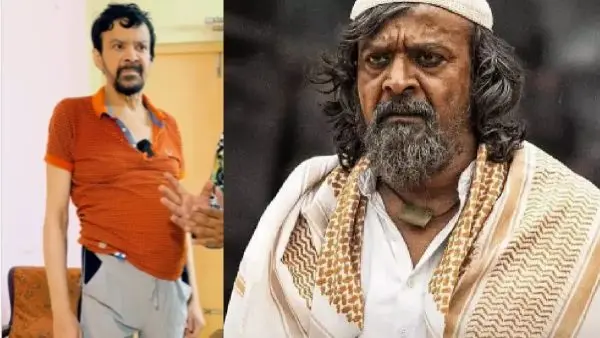
Kc tyagi: K.C. Tyagi’s Shift: From Janata Dal-United to Rashtriya Lok Dal
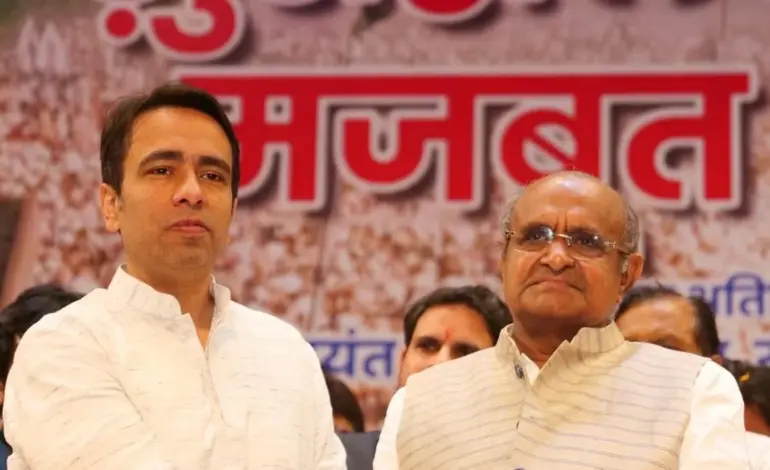
K.C. Tyagi’s political journey has taken a significant turn with his recent decision to join the Rashtriya Lok Dal (RLD) after a long tenure with the Janata Dal-United (JD-U). Prior to this development, Tyagi was a prominent figure within the JD-U, having served as its chief national spokesperson and national secretary general. His departure from the JD-U, which he co-founded, was unexpected for many, given his long-standing relationship with party leader Nitish Kumar.
On March 17, 2026, Tyagi officially resigned from the JD-U, marking the end of an era. Just five days later, on March 22, he was welcomed into the RLD, a party he had once been associated with at its inception in 1974. This swift transition highlights a decisive moment in Tyagi’s career, as he seeks to align himself with a party that shares his ideological commitment to the welfare of farmers and the downtrodden.
Tyagi’s statements following his move reflect a continuity of purpose. He emphasized that he does not perceive a significant ideological difference between the JD-U and the RLD, asserting, “I don’t see any difference between Lok Dal, RLD and JD(U).” This perspective suggests that Tyagi views his new role as an extension of his previous commitments rather than a complete departure.
The implications of Tyagi’s shift are substantial for both the RLD and the JD-U. For the RLD, Tyagi’s experience and connections could bolster its influence in western Uttar Pradesh, a region critical for electoral success. Tyagi remarked, “A strong Rashtriya Lok Dal in western Uttar Pradesh will give more strength to the alliance,” indicating his ambition to enhance the party’s standing in the region.
Conversely, the JD-U faces the challenge of filling the void left by Tyagi, a figure who has been instrumental in shaping its narrative and outreach strategies. His departure raises questions about the party’s future direction and its ability to maintain cohesion among its ranks.
Experts suggest that Tyagi’s move could signify a broader trend in Indian politics, where alliances are increasingly fluid and based on shared ideologies rather than rigid party lines. His commitment to the interests of farmers and the marginalized remains a central theme, as he stated, “My commitment to the broader ideological points concerning the interests of the downtrodden, peasants and agriculturalists, including the deprived sections of society, remains as firm as ever.”
As the political landscape continues to evolve, Tyagi’s transition serves as a reminder of the complexities and dynamics that characterize party politics in India. His historical ties with both parties and his focus on farmer welfare will likely influence the strategies of both the RLD and JD-U in the upcoming electoral battles.
Details remain unconfirmed regarding the immediate reactions from party leaders and the grassroots supporters of both the JD-U and RLD, but the political ramifications of Tyagi’s move are expected to unfold in the coming weeks.