Sanjay Dutt Summoned by NCW Over Controversial Song
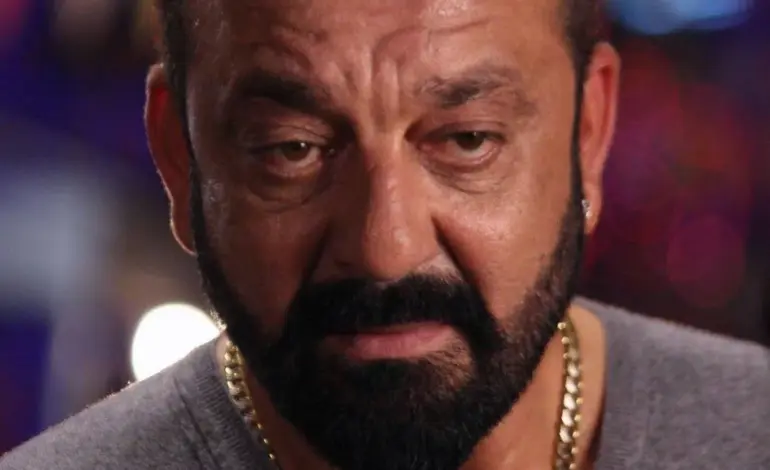
The song ‘Sarke Chunar Teri Sarke’ has faced significant backlash for allegations of obscenity and vulgarity, prompting the National Commission for Women (NCW) to intervene. The NCW has summoned Sanjay Dutt and other key individuals involved with the song to appear before them on March 24, 2026, as part of their investigation into these claims.
The controversy surrounding the song escalated after the NCW took suo motu cognizance of media reports highlighting its sexually suggestive content. The commission stated that the lyrics and choreography of the song appear to be objectionable, raising concerns about the portrayal of women in popular media.
In response to the growing criticism, the Hindi version of the song was removed from YouTube shortly after its release earlier in March 2026. This decision reflects the increasing sensitivity towards content that may be deemed inappropriate in the current cultural climate.
Notably, the song is part of the upcoming Kannada film ‘KD: The Devil’, directed by Prem and starring Dhruv Sarja. Nora Fatehi, who recorded the Kannada version of the song three years ago, expressed her confusion regarding the controversy, stating, “I don’t understand the Kannada language, in which the original song, Sarse Ninna, is composed.”
Raqueeb Alam, the lyricist, acknowledged the concerns raised about the Hindi lyrics, warning the makers that they could be perceived as vulgar. He explained that he was instructed to provide a literal translation from the Kannada version, which may have contributed to the contentious nature of the song.
The NCW’s involvement underscores the ongoing dialogue about the responsibility of artists and producers in the entertainment industry. As the commission prepares for the hearing, they have indicated that failure to appear may invite appropriate action as per law.
Observers are closely watching how this situation unfolds, particularly regarding the implications for the film industry and the standards of content being produced. The outcome of the NCW’s inquiry could set a precedent for future cases involving similar allegations.
As the date of the hearing approaches, the involved parties are expected to present their arguments and relevant documents to the NCW. The commission’s decision will likely influence not only the individuals summoned but also the broader landscape of Indian cinema.
Details remain unconfirmed regarding the potential repercussions for those involved, but the case highlights the critical intersection of art, culture, and societal norms in contemporary India.