Is Dhurandhar a Real Story? Unpacking the Truth Behind the Film
What observers say
Dhurandhar, a two-part film, has sparked discussions about its authenticity, particularly whether it is based on real events or characters. The film, especially its sequel, Dhurandhar 2, is inspired by significant geopolitical conflicts between India and Pakistan, which adds a layer of complexity to its narrative.
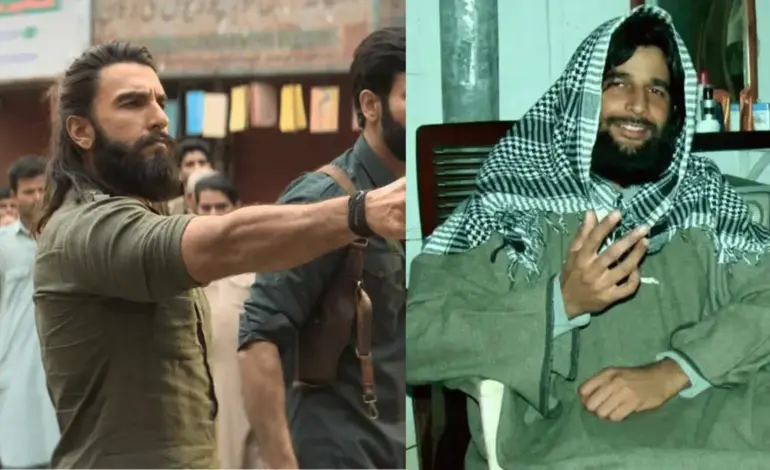
Key figures in the film are based on real individuals, such as Major Iqbal, who is modeled after Ilyas Kashmiri, a figure linked to the infamous 26/11 Mumbai attacks. This connection not only heightens the film’s dramatic tension but also raises ethical questions about the portrayal of real-life tragedies in entertainment.
Another character, SP Chaudhry Aslam, is inspired by a real-life police officer who was tragically killed in a suicide car bombing. The film’s creators have taken liberties with these characters, blending fact and fiction to create a gripping narrative that resonates with audiences familiar with these events.
Moreover, Ajay Sanyal in the film is based on Ajit Doval, India’s National Security Advisor, while Jameel Jamali reflects the life of Nabil Gabol, a former member of the National Assembly. This intertwining of real political figures with fictional narratives serves to enhance the film’s dramatic stakes.
Additionally, the character Uzair Baloch is based on a notorious gangster of the same name, and Bade Sahab is inspired by Dawood Ibrahim, another infamous criminal. The film’s portrayal of these figures raises questions about the responsibility of filmmakers in depicting real-life criminals and their impact on society.
Notably, the film also references the 2016 Indian banknote demonetisation, linking it to the character Hamza‘s mission in Dhurandhar 2. This connection to contemporary events adds a layer of relevance, as it mirrors the real-world implications of political decisions on the populace.
While Dhurandhar 1 draws inspiration from the 1999 Kandahar Hijack, Dhurandhar 2 loosely reflects the 2014 Indian general election, showcasing how the film navigates through significant historical events. As the narrative unfolds, it becomes evident that the filmmakers have crafted a story that, while fictionalized, is deeply rooted in reality.
As audiences continue to engage with Dhurandhar, observers are left pondering the balance between storytelling and factual representation. Details remain unconfirmed regarding the extent of creative liberties taken, but the film undeniably serves as a lens through which viewers can examine the complex relationship between art and reality.