Iran attacks israel: Escalating Tensions: and Gulf States
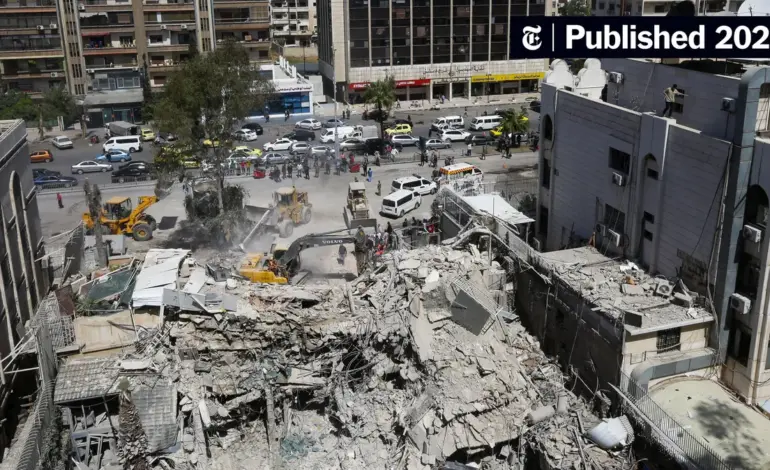
The recent escalation in the Middle East has reached a critical juncture as Iran’s missile strikes against Israel and neighboring Gulf states have triggered a wave of military responses and diplomatic fallout. The stakes are high, with Israel’s military campaign intensifying and regional alliances being tested.
On March 19, 2026, Iran retaliated against Israel’s attack on its South Pars gasfield, the world’s largest gasfield, by launching missiles targeting oil and gas facilities across Qatar, Saudi Arabia, and the United Arab Emirates. This aggressive move has severely damaged Qatar’s Ras Laffan liquefied natural gas facility, raising alarms about the stability of energy supplies in the region.
Iran’s Supreme Leader, Mojtaba Khamenei, vowed that Israel would pay for the assassination of three senior Iranian security officials, further escalating the rhetoric and tensions. In response, Israeli Prime Minister Benjamin Netanyahu declared that Israel is winning the conflict, stating, “We are winning and Iran is being decimated.” This assertion comes amid reports of missile strikes on an oil refinery in Haifa, Israel, attributed to Iranian forces.
Saudi Arabia’s reaction has been equally forceful, with officials declaring that the “little trust that remained in Iran has been completely shattered.” This sentiment reflects a broader concern among Gulf states about Iran’s aggressive posture and its implications for regional security.
In a related development, Kuwaiti security services thwarted a planned terrorist operation against the country’s critical infrastructure, highlighting the pervasive threat posed by Iranian-backed groups like Hezbollah. The situation has prompted the US to approve $16 billion in arms sales to the United Arab Emirates and Kuwait, signaling a commitment to bolster defenses in the face of Iranian aggression.
As the conflict enters its 20th day, Bahrain’s air defenses have intercepted 132 missiles and 234 drones, underscoring the scale of the military engagement. Meanwhile, the Islamic Revolutionary Guard Corps (IRGC) has issued warnings of potential further attacks on Gulf states, indicating that the situation remains volatile.
Amid these developments, Iran has sought clarification from Germany regarding the role of the Ramstein airbase in the ongoing conflict, suggesting that the geopolitical implications of this confrontation extend beyond the immediate region.
Details remain unconfirmed regarding the full extent of the damage and casualties resulting from these attacks, but reports indicate that approximately 1,000,000 Lebanese people have been displaced due to Israel’s military assault, reflecting the humanitarian toll of this conflict.
The situation remains fluid, with uncertainties surrounding the potential for further escalation or diplomatic resolutions. As regional powers reassess their strategies, the implications of this conflict will likely resonate far beyond the Middle East.