LPG Gas Shortage Hits Bhopal’s Small Vendors
What the data shows
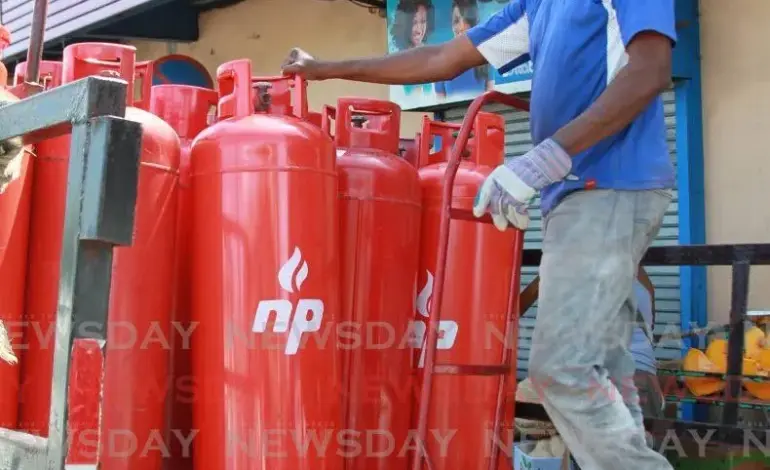
The recent LPG gas shortage in Bhopal raises a critical question: How is this shortage impacting local businesses and consumers? The answer is significant, as small food vendors in the city are facing severe challenges due to their reliance on commercial LPG cylinders for cooking. This situation has been exacerbated by panic buying, which has led to increased demand and longer wait times for deliveries.
Currently, India imports between 62-65% of its LPG demand, making it highly dependent on global supply chains. The ongoing conflict in West Asia has disrupted these supplies, further straining the availability of LPG in the country. As a result, the government has prioritized LPG supplies for households over commercial consumers, leading to shortages for businesses that depend on this vital resource.
Before the crisis, the average waiting time for LPG cylinder bookings was around 21 days. However, this has now increased to approximately 25 days in urban areas. The surge in panic buying has resulted in a dramatic rise in LPG bookings, jumping from 55.7 lakh to 88.8 lakh in a short period. This spike in demand has created long queues outside gas agencies, as residents scramble to secure their supplies.
Authorities have acknowledged the supply disruptions but insist that domestic LPG availability remains stable. However, the reality on the ground tells a different story, as small vendors report that the crisis is already cutting deeply into their daily earnings, threatening livelihoods built over decades. The situation is particularly dire for those who cannot afford to switch to alternative cooking methods.
In response to the LPG shortages, the government has activated alternative fuel streams such as kerosene and biomass for commercial users. This move aims to alleviate some of the pressure on the LPG supply chain, but it remains to be seen how effective these alternatives will be in meeting the needs of small food vendors.
Surreal scenes have been reported outside gas agencies in various cities, including Jalandhar, where customers are seen waiting in long, serpentine queues for LPG cylinders. The government has urged citizens not to panic or engage in hoarding, warning that such actions can worsen local distribution pressures.
As the situation continues to evolve, the long-term implications of this LPG gas shortage remain uncertain. The reliance on imports, particularly from geopolitically sensitive regions, underscores the vulnerability of India’s energy supply chain. Details remain unconfirmed regarding how the government plans to address these challenges moving forward, but the immediate impact on small vendors and consumers is already being felt across Bhopal and beyond.