Iran israel us war live
Breaking Development
As the Iran-Israel-US war unfolds, Iranian President Masoud Pezeshkian has outlined three conditions for peace, emphasizing the need for recognition of Iran’s rights, compensation for war damages, and guarantees against future attacks. This announcement comes just 12 days after the conflict ignited on February 28, 2026, following the assassination of Iran’s Supreme Leader and several top officials.
Immediate Circumstances
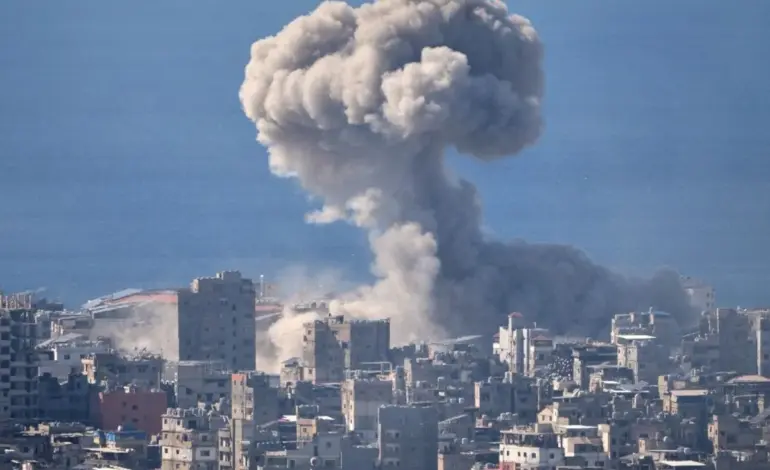
The ongoing war has led to significant civilian casualties and widespread destruction of infrastructure across Iran. Iranian military officials have issued stern warnings that any attack on the country’s ports could provoke a broader regional response. In a statement, Abolfazl Shekarchi, a military spokesperson, asserted, “If our ports and docks are threatened, all ports and docks in the region will be our legitimate targets.” This rhetoric underscores the heightened tensions and the potential for further escalation in the region.
The conflict has not only intensified regional tensions but also impacted global shipping routes and energy markets. Brent crude prices have surged to $100 per barrel, reflecting the instability caused by the ongoing hostilities. Israeli officials have expressed skepticism regarding the war’s potential to dismantle Iran’s political system, even under military pressure, indicating a complex and protracted conflict ahead.
Iran’s economy is deteriorating due to the war and the imposition of international sanctions. The Iranian leadership remains open to peace negotiations but insists that the damage inflicted during the conflict must be addressed. President Pezeshkian stated, “The only way to end this war — ignited by the Zionist regime and U.S. — is recognising Iran’s legitimate rights, payment of reparations, and firm international guarantees against future aggression.” This statement highlights Iran’s position and the challenges in reaching a diplomatic resolution.
In light of the ongoing conflict, Iranian officials have reiterated their commitment to defend the nation against perceived aggressions. Mohammad-Bagher Ghalibaf, a prominent Iranian politician, declared, “The aggressor must be punished and taught a lesson that will deter them from attacking Iran again.” Such statements reflect a resolve within the Iranian leadership to maintain a strong stance against external threats.
International Implications
The war’s ramifications extend beyond the immediate region, with potential implications for international relations and security. As the situation develops, various global powers, including Russia and Pakistan, are closely monitoring the conflict, which could influence their diplomatic strategies in the Middle East. The international community remains watchful, as the conflict poses risks to stability and peace in the region.
Looking Ahead
As the Iran-Israel-US war continues, the prospects for peace remain uncertain. While Iran has set forth conditions for a ceasefire, the complexities of the conflict and the entrenched positions of the involved parties suggest that a resolution may be challenging to achieve. Details remain unconfirmed as the situation evolves, and further developments are anticipated in the coming days.