Friday the 13th: A Cultural Phenomenon
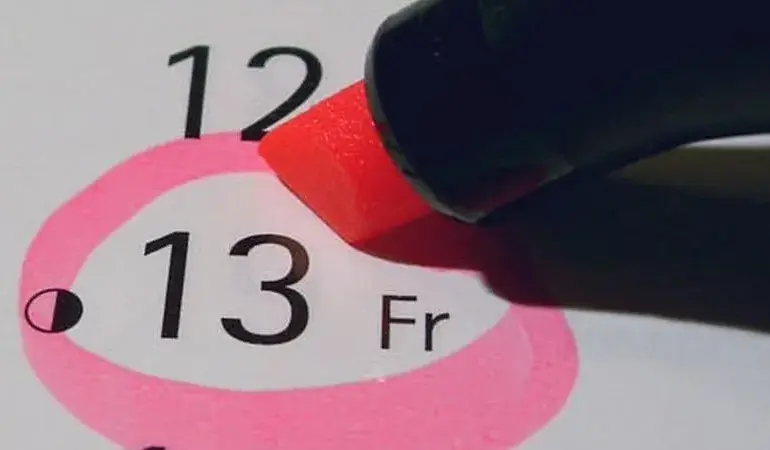
Friday the 13th is considered an unlucky date, a belief that has persisted for centuries. The origin of this superstition can be traced back to a novel published in 1907, where a stockbroker orchestrates a market crash on this fateful day. This narrative has contributed to the date’s ominous reputation.
March 13, 2026, marks the second of three occurrences of Friday the 13th in that year, a notable aspect for those who observe the date’s significance. The fear associated with this day is formally known as paraskevidekatriaphobia, reflecting the anxiety it instills in some individuals.
Impact on Entertainment
The cultural impact of Friday the 13th extends beyond superstition; it has permeated various forms of entertainment. The first ‘Friday the 13th’ film was released in 1980, spawning a franchise that includes 12 films featuring the iconic character Jason Voorhees. This series has not only influenced horror cinema but has also inspired video games, such as the 2017 release ‘Friday the 13th: The Game,’ where players can control either camp counselors or Jason himself.
Broader Cultural References
Friday the 13th isn’t just prominent in films but also in music and video games, illustrating its broad cultural resonance. The fact that a single date appears in various entertainment mediums underscores its lasting legacy. As one expert noted, “The fascination with the date isn’t going away, no matter if one chooses to celebrate with horror movie marathons or avoid shattered mirrors.”
As March 2026 approaches, the anticipation surrounding Friday the 13th continues to grow. If the date brings you uneasiness, buckle up, as it promises to be a day filled with both superstition and celebration in popular culture.