Weather Srinagar: Fresh Snowfall and Rainfall Recorded
Weather Conditions in Srinagar
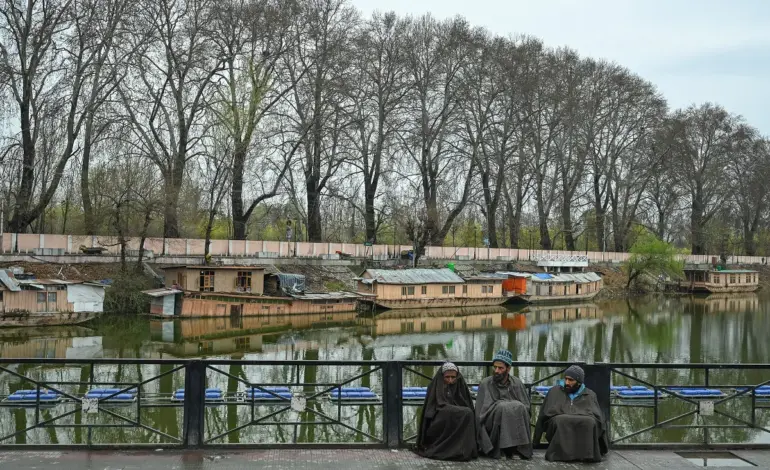
On March 11, 2026, the weather in Srinagar and surrounding areas of Kashmir was marked by fresh snowfall in the higher reaches and light to moderate rain across the plains. This development comes as the region has been grappling with a significant precipitation deficit over the winter months.
According to the Meteorological Department, several areas recorded varying amounts of rainfall within a 24-hour period ending at 8:30 am. Kupwara received approximately 6.4 mm of rain, while Gulmarg recorded 2.8 mm and Srinagar itself saw around 1.2 mm of rainfall. These figures highlight the erratic weather patterns that have been prevalent in the region.
In terms of temperatures, Srinagar registered a maximum of 17.6 degrees Celsius, which is about 2.9 degrees above the normal for this time of year. The minimum temperature settled at 10.5 degrees Celsius, approximately 7.2 degrees above the seasonal average. This warming trend is notable, especially considering the cold winter months that preceded it.
Gulmarg, known for its winter sports, recorded the lowest minimum temperature in the Kashmir division at 2.4 degrees Celsius. Meanwhile, Jammu city experienced a maximum temperature of 31.2 degrees Celsius, nearly 5.8 degrees above normal, indicating a stark contrast in weather conditions across the region.
The winter of 2025-2026 has been particularly challenging, as the core winter period from December to February ended with a 65 percent precipitation deficit. This has raised concerns among local farmers and residents who rely on consistent weather patterns for agriculture and daily life.
Looking ahead, the Meteorological Department has indicated that weather conditions across Jammu and Kashmir will remain erratic until March 19. This prediction suggests that the region may continue to experience fluctuations in temperature and precipitation, which could affect local ecosystems and agriculture.
As the region navigates these weather changes, the implications are significant for those involved in agriculture and tourism, both vital sectors for Kashmir’s economy. The recent rainfall and snowfall may provide some relief, but the ongoing erratic weather patterns raise questions about future conditions and preparedness.