North Korea Embassy in Iran: A New Chapter Amidst Tensions
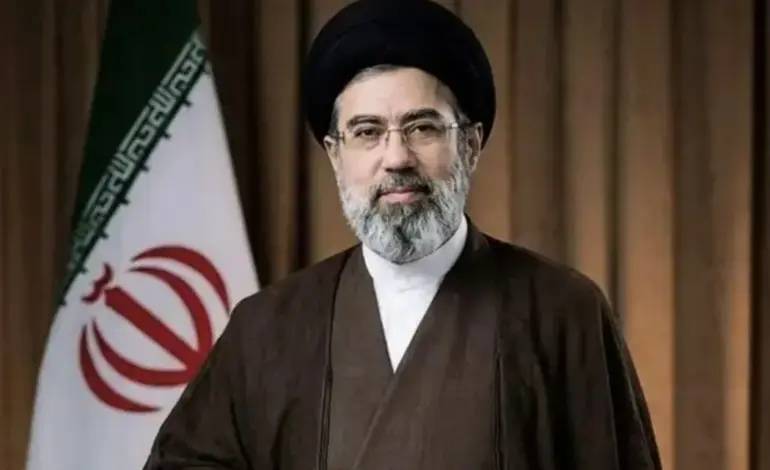
North Korea Acknowledges New Leadership in Iran
On March 11, 2026, North Korea publicly recognized the election of Iran’s new Supreme Leader, Mojtaba Khamenei, marking a significant moment in the diplomatic relationship between the two nations. This acknowledgment comes in the wake of intense global tensions following the death of Mojtaba’s father, Ali Khamenei, who was killed in an Israeli airstrike on February 28, 2026.
Condemnation of External Interference
In a statement from North Korea’s Foreign Ministry, the country condemned the actions of the United States and Israel, accusing them of interfering in Iran’s internal affairs. The spokesperson emphasized that North Korea respects the rights and choices of the Iranian people, stating, “We respect the rights and choice of the Iranian people to elect their supreme leader.” This sentiment reflects North Korea’s long-standing policy of supporting regimes that align with its anti-Western stance.
Claims of Embassy Destruction
Amidst these developments, unverified claims circulated on social media suggesting that an Israeli missile had destroyed the North Korean embassy in Tehran. However, there has been no confirmation from credible sources regarding the destruction of the embassy, leaving the situation ambiguous. North Korea’s Foreign Ministry has criticized the U.S. and Israel for their actions against Iran, reiterating their support for the Iranian leadership during this crisis.
Historical Context of Tensions
The ongoing conflict involving Iran, Israel, and the United States has created a backdrop of heightened tensions since late February 2026. The assassination of Ali Khamenei has not only destabilized Iran but has also drawn international attention to the region’s geopolitical dynamics. North Korea’s involvement and support for Iran could signify a shift in alliances, particularly as both nations face pressure from Western powers.
Future Implications
As the situation unfolds, uncertainties remain regarding the potential military responses from North Korea in reaction to the ongoing conflict. The lack of verified information about the embassy’s status adds another layer of complexity to the diplomatic landscape. North Korea’s commitment to supporting Iran may influence its future actions and relationships with other nations, particularly in the context of U.S.-led sanctions and military interventions.
Conclusion of Current Developments
Details remain unconfirmed regarding the destruction of the North Korean embassy, and the international community is closely monitoring the developments. The relationship between North Korea and Iran could evolve further as both countries navigate the challenges posed by external threats and internal leadership changes.