Leyen: Ursula von der ‘s Remarks on World Order and EU Foreign Policy
Context of the Remarks
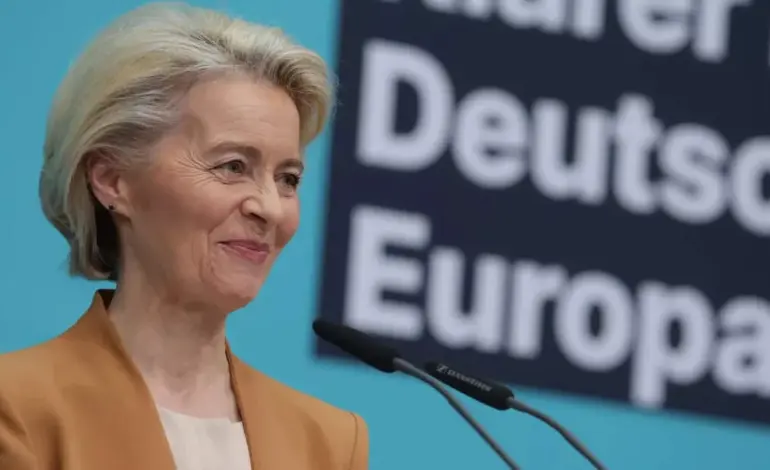
Ursula von der Leyen, the president of the European Commission, recently made a controversial statement declaring the rules-based world order as finished. This assertion has stirred considerable turbulence within the European Union, as it challenges the foundational principles that have guided international relations for decades.
Following her remarks, which suggested that “Europe can no longer be a custodian for the old-world order, of a world that is gone and will not return,” various leaders within the EU expressed their dissent. António Costa, the president of the European Council, was notably critical, emphasizing that “We Europeans must defend the rules-based international order.” His comments reflect a significant divide in perspectives on how the EU should navigate its foreign policy.
Growing Discontent
The discontent with Von der Leyen’s stance is not limited to Costa. Spanish Foreign Minister José Manuel Albares also voiced disagreement, arguing that there is no opposition between an old order and a new order, but rather between international order and disorder. This sentiment resonates with growing concerns among member states like France and Spain, where leaders are increasingly questioning Von der Leyen’s approach to foreign policy.
Calls for Clarification
In the wake of the backlash, there have been calls for clarification regarding Von der Leyen’s comments. Some EU officials have even suggested the possibility of a no-confidence vote against her, indicating the seriousness of the situation. The European Commission has rushed to add nuance to her words, attempting to mitigate the fallout from her statements.
Foreign Policy Responsibilities
The controversy surrounding Von der Leyen’s remarks is part of a larger issue regarding her accumulation of foreign policy responsibilities. Critics argue that her actions have overstepped her bounds, particularly in light of the EU’s established protocols for foreign and security policy, which are primarily directed by the High Representative. Thierry Breton, a prominent EU figure, remarked that “When the Commission behaves like an autonomous diplomatic actor, it dilutes the European voice,” highlighting concerns about the coherence of EU foreign policy.
Support for Israel and Its Implications
Adding to the complexity of the situation, Von der Leyen has faced criticism for her support of Israel during the ongoing Gaza conflict. This support has further alienated some member states, exacerbating the divisions within the EU regarding foreign policy direction and priorities.
Current State of Affairs
As it stands, the European Union is grappling with the implications of Von der Leyen’s remarks and the subsequent reactions from various member states. The discourse surrounding the rules-based international order and the EU’s role in it remains contentious, with significant implications for the future of EU foreign policy.
Significance of the Developments
This sequence of events matters not only for those directly involved but also for the broader international community. The EU’s ability to present a united front on foreign policy issues is crucial for its influence on the global stage. The ongoing debates and disagreements within the EU highlight the challenges it faces in adapting to a rapidly changing geopolitical landscape.