Political Context Before the Uprising
Before the 2024 uprising, Bangladesh was under the long-standing rule of Sheikh Hasina and the Awami League, which faced growing discontent among the populace. The political environment was marked by allegations of authoritarianism, with many citizens feeling marginalized. The India-Bangladesh Friendship Pipeline, operational since 2017, was a symbol of ongoing energy cooperation between Bangladesh and India, yet domestic issues loomed large.
Decisive Moment: The Uprising
The situation escalated dramatically in 2024, culminating in a deadly uprising that resulted in approximately 1,400 deaths and left more than 20,000 injured. This unrest was a response to the perceived failures of the government, leading to significant political upheaval.
Immediate Changes in Governance
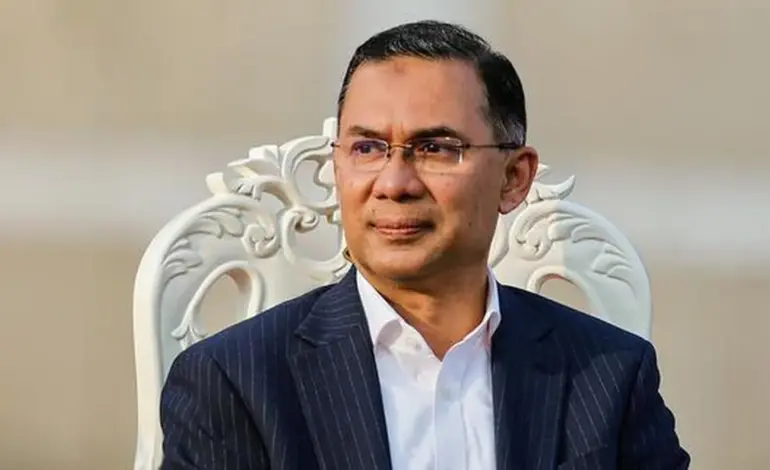
Following the uprising, Bangladesh’s Parliament convened for the first time on March 12, 2026, marking a pivotal moment in the country’s political history. The Bangladesh Nationalist Party (BNP), led by Tarique Rahman, secured 212 seats in the 350-seat parliament, with the BNP alone winning 209 seats. In contrast, the Jamaat-e-Islami-led alliance, headed by Shafiqur Rahman, holds 76 seats.
Impact on Political Dynamics
The new parliamentary session represents a shift in power dynamics, as the BNP aims to restore democratic governance after years of what Rahman described as “fascist and subservient rule.” He emphasized the importance of making Parliament the center of national debate and problem-solving.
Expert Perspectives
Experts note that the uprising and subsequent election results reflect a significant change in the political landscape of Bangladesh. The BNP’s commitment to building a “prosperous, safe and democratic country” signals a potential shift towards more inclusive governance.
Ongoing Challenges
Despite the political changes, Bangladesh continues to grapple with an energy crisis, leading to the closure of universities and the implementation of fuel rationing. The challenges facing the new government are substantial, as the country seeks to stabilize its economy and restore public trust.
Looking Ahead
As Bangladesh navigates this new political terrain, the effectiveness of the BNP-led government in addressing the issues that led to the uprising will be closely monitored. The future of the country’s governance and its relationship with India, particularly regarding energy trade, remains a critical area of focus.