Lpg gas cylinders
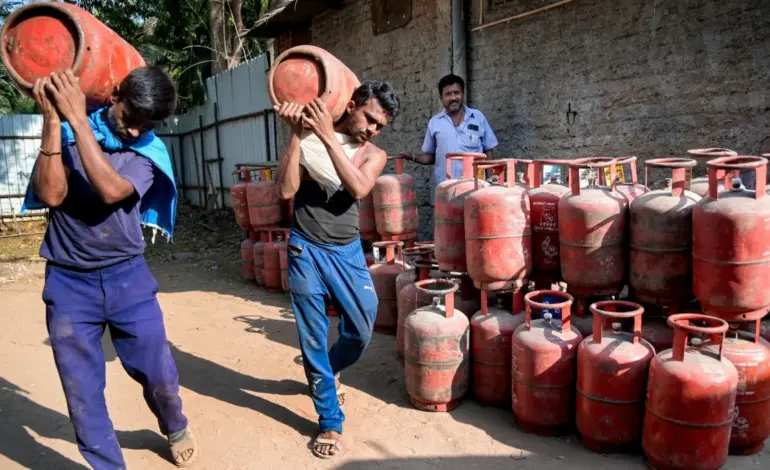
Price Increases in LPG Gas Cylinders
On March 11, 2026, India witnessed a significant increase in the prices of LPG gas cylinders, a development that has drawn attention from consumers and businesses alike. The price of a 14.2 kg domestic LPG cylinder rose by ₹60, while the cost of a 19 kg commercial LPG cylinder surged by ₹144. This adjustment in pricing reflects ongoing challenges in the supply chain, influenced by various geopolitical factors.
As of the latest updates, the price of a domestic LPG cylinder in New Delhi stands at ₹913, whereas a commercial LPG cylinder is priced at ₹1,884.50. In Kolkata, the prices are slightly higher, with domestic cylinders costing ₹939 and commercial cylinders at ₹1,988.50. Other major cities such as Mumbai and Chennai also report similar trends, with Mumbai’s domestic LPG cylinder priced at ₹912.50 and commercial at ₹1,836, while in Chennai, the prices are ₹928.50 and ₹2,043.50, respectively.
The increase in prices is not the only concern. Reports indicate that the supply of commercial LPG cylinders has been inconsistent, particularly affecting the hospitality sector, including restaurants and hotels. The Bangalore Hotels Association has expressed alarm, stating, “The supply of gas cylinders for commercial use has been stopped from today.” This disruption has raised questions about the operational capabilities of many businesses reliant on LPG for cooking and heating.
In contrast, PN Seth, the Executive President of the All India LPG Distributors Federation, has attempted to reassure the public, asserting, “There is no shortage, and supply of commercial and domestic cylinders is continuing as usual.” However, the conflicting reports have left many consumers and businesses uncertain about the reliability of LPG supplies moving forward.
Historically, India has relied heavily on imports to meet its LPG demand, sourcing around 60 percent of its total needs from the Middle East. This dependency makes the country vulnerable to fluctuations in international markets and geopolitical tensions, such as the ongoing Iran-US tensions and the broader Middle East crisis. These factors can significantly impact the availability and pricing of LPG, leading to the current situation.
As the situation unfolds, the exact duration of the LPG supply shortage remains unclear, and the potential impact of geopolitical tensions on future LPG prices is still uncertain. Details remain unconfirmed, leaving consumers and businesses in a state of apprehension as they navigate these challenges.
In summary, the recent price hikes and supply inconsistencies of LPG gas cylinders in India highlight the complexities of the energy market and the direct effects on everyday life. With the hospitality sector particularly affected, the implications of these developments will likely resonate throughout the economy as stakeholders seek solutions to mitigate the impact of rising costs and supply disruptions.