Leyen: Ursula von der ‘s Remarks on World Order and EU Foreign Policy
Context of the Remarks
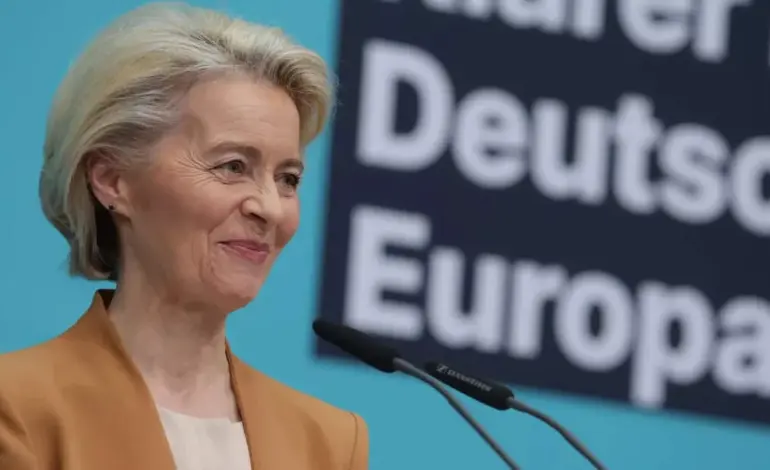
In a recent address, Ursula von der Leyen, the president of the European Commission, made a bold declaration that the rules-based world order is finished. This statement has not only stirred controversy but also highlighted the growing discontent among EU member states regarding her approach to foreign policy.
Following von der Leyen’s remarks, António Costa, the president of the European Council, publicly disagreed with her stance, emphasizing the necessity for Europe to defend the rules-based international order. Costa’s response reflects a significant divergence in opinion within the EU, as he asserted, “We Europeans must defend the rules-based international order.” This disagreement underscores the tensions that von der Leyen’s comments have created.
Discontent Among Member States
Further complicating the situation, Spanish Foreign Minister José Manuel Albares also expressed his disagreement with Germany’s vision on the international order. He articulated that there is no opposition between an old order and a new order, but rather between international order and disorder. This sentiment echoes a broader unease among EU nations, particularly in France and Spain, where discontent with von der Leyen’s leadership is reportedly growing.
Calls for Clarification
In the wake of the backlash, there have been calls for von der Leyen to clarify her comments, with some factions even suggesting a potential no-confidence vote against her. The European Commission has since rushed to add nuance to von der Leyen’s words, indicating the seriousness of the situation and the pressure she faces from within the EU.
Criticism of Foreign Policy Actions
Von der Leyen’s foreign policy actions have faced scrutiny as well, with critics arguing that she has overstepped her bounds. Thierry Breton, a member of the European Commission, remarked that when the Commission acts as an autonomous diplomatic actor, it dilutes the European voice. This criticism points to a growing concern about the coherence and unity of EU foreign policy.
Impact of the Gaza Conflict
Adding to the controversy, von der Leyen has faced backlash for her support of Israel during the ongoing Gaza conflict. Her stance has been perceived as controversial, further complicating her position within the EU and raising questions about her role in shaping the Union’s foreign policy.
Current State of Affairs
As it stands, the European Union is grappling with the implications of von der Leyen’s remarks and the subsequent reactions from member states. The divisions highlighted by this incident may have long-lasting effects on the EU’s foreign policy direction and its internal cohesion.
Significance of the Developments
This sequence of events matters significantly for those involved, as it not only reflects the current state of EU politics but also raises critical questions about the future of the Union’s role on the global stage. The ongoing discourse surrounding von der Leyen’s comments will likely shape the EU’s approach to international relations in the coming months.