Israel iran conflict: The : Escalation and Consequences
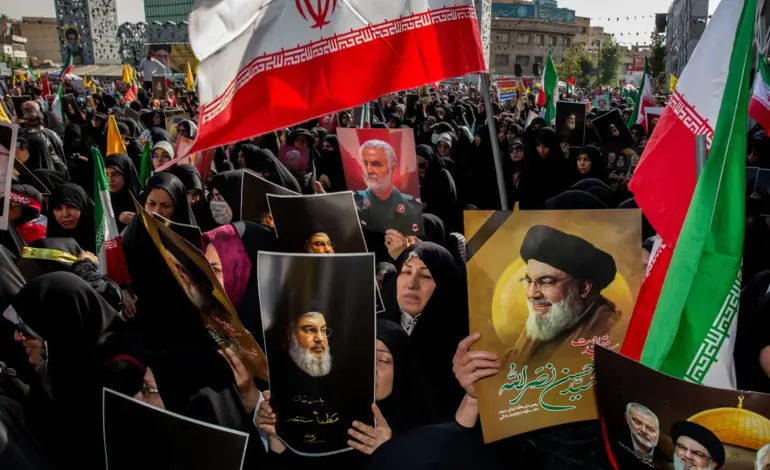
Impact of the Escalation
The Israel Iran conflict has reached a critical juncture, marked by a large-scale attack on Iran’s leadership and military capabilities that began on February 28, 2026. This escalation has led to devastating consequences, with Iran reporting over 1,300 civilian deaths and nearly 10,000 civilian sites targeted by Israeli and US forces since the onset of hostilities. The ramifications of this conflict extend beyond Iran, affecting the entire Gulf Cooperation Council (GCC) region.
Causes of the Conflict
The roots of this conflict lie in longstanding tensions between Iran, Israel, and the United States, particularly regarding military capabilities and regional influence. In response to perceived threats, Iran has launched missile strikes and drone missions against nearly all GCC countries, with Oman remaining the only nation spared due to its neutrality and absence of American military bases. This aggressive posture is part of Iran’s strategy to compel the US and Israel to halt their military operations.
Military Engagements and Casualties
The military campaign, dubbed Operation Epic Fury, has resulted in significant casualties on both sides. The Pentagon has confirmed that approximately 140 US service members have been wounded, with seven fatalities reported since the operation’s initiation. In addition, the Iranian Revolutionary Guards have executed a 37th wave of attacks targeting Israeli locations and US bases in the Gulf region, further escalating the conflict.
Iran’s Response and Threats
In retaliation, Iran has threatened to target economic centers and banks associated with US and Israeli entities in the region. This tactic is part of a broader strategy of second-order coercion aimed at pressuring the US and Israel to cease their military assaults. Iranian officials have accused the US and Israel of deliberately attacking civilian infrastructure, including homes and healthcare facilities, exacerbating the humanitarian crisis.
International Reactions
International reactions to the conflict have been mixed. Former Israeli officials have acknowledged the complexity of the situation, stating, “…this will take time…There is a lot of work to be done. Iran is huge.” Meanwhile, GCC leaders have expressed concern over Iran’s aggressive actions, with Mohammed bin Abdulaziz al-Khulaifi stating that Iran’s attacks on its neighbors bring “benefit for no one.”
Future Developments and Uncertainties
The US Secretary of Defense has warned that a specific day will mark the most intense attacks during the conflict, indicating that the situation remains fluid. Donald Trump has suggested that the military campaign could last at least four to five weeks. However, uncertainties loom over the long-term effectiveness of Iran’s coercive strategy, the potential for internal chaos or civil war within Iran, and the exact duration and outcome of the US-Israeli military campaign. Details remain unconfirmed.
The Israel Iran conflict continues to evolve, with significant implications for regional stability and international relations. As military engagements intensify and civilian casualties mount, the need for a resolution becomes increasingly urgent.