Iran War Oil: Tensions Rise as Iran Lays Mines in the Strait of Hormuz
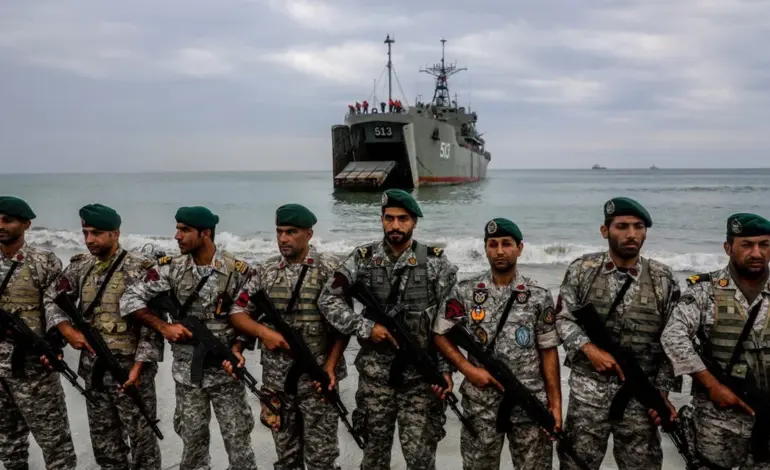
Escalating Tensions in the Strait of Hormuz
On March 10, 2026, Iran has begun laying mines in the strategically vital Strait of Hormuz, prompting immediate military responses from the United States. The U.S. Central Command reported the destruction of multiple Iranian naval ships, including 16 minelayers, in the region.
The Strait of Hormuz is crucial for global oil supply, carrying about one-fifth of all crude oil. The recent military actions have raised concerns over the safety of this critical shipping lane.
Impact on Oil Prices
In the wake of these developments, oil prices have experienced significant fluctuations. Brent crude prices fell sharply, dropping 17 percent to below $80 a barrel before rebounding to around $90. This volatility is attributed to the uncertainty surrounding the Strait of Hormuz.
As a result of the effective closure of the Strait, oil production has been impacted, forcing Saudi Arabia, UAE, Kuwait, and Iraq to cut their output. Reports indicate that 15 million barrels per day of crude production and 4.5 million barrels per day of refined fuels are stranded in the Gulf.
U.S. President Donald Trump has responded to the situation, stating, “If Iran has put out any mines in the Hormuz Strait, and we have no reports of them doing so, we want them removed, IMMEDIATELY!” He emphasized the U.S. Navy’s presence in the region, assuring that “The Strait of Hormuz is going to remain safe. We have a lot of Navy ships there. We have the best equipment in the world inspecting for mines.”
Market analysts have noted that the recent price movements reflect a serious reassessment of supply risks. Chad Norville remarked, “What we saw this week was the market briefly treating that risk as real and repricing supply disruption in earnest.”
Broader Implications
The ongoing conflict has led to a 17 percent rise in U.S. petroleum prices since the war began. Economic analysts warn that every 10 percent increase in oil prices corresponds with a 0.4 percent rise in inflation and a 0.15 percent reduction in economic growth.
Details remain unconfirmed regarding the exact impact of the U.S. Navy’s potential deployment to keep the strait open, as well as the duration of the war and its implications for oil supply.