Iran War Netanyahu: Escalation in Conflict as Bombing Campaign Begins
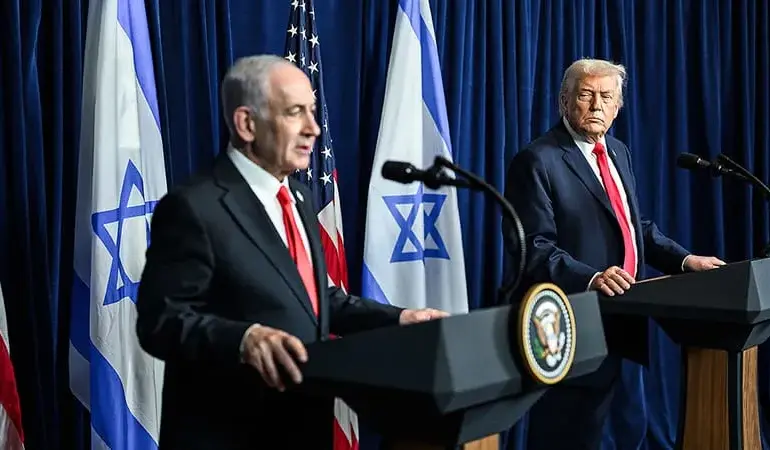
Netanyahu has consistently claimed that the window to prevent Iran from obtaining a nuclear weapon was closing for decades. His long-standing desire for military action against Iran has been a recurring theme throughout his political career.
Recent Developments
On February 28, 2026, a U.S. and Israeli bombing campaign against Iran commenced, marking a significant escalation in the ongoing conflict. Netanyahu stated, “War with Iran is something I have longed to do for 40 years,” emphasizing his commitment to confronting what he perceives as a critical threat.
The Israeli public largely supports the war effort, with an overwhelming majority of Jewish Israelis in favor of military action against Iran. This support comes as Netanyahu faces a corruption trial that could lead to years in prison if convicted, raising questions about his political future.
Government Response
In response to the conflict, the Israeli government is reallocating funds to support the war effort, including a $9 billion increase to the defense budget, bringing the total to 112 billion NIS. Bezalel Smotrich, a key figure in the government, remarked, “This is not an expenditure. It’s an investment,” highlighting the administration’s commitment to the military campaign.
Netanyahu has visited the White House six times in the past year, a record for a foreign leader, indicating the close ties between the U.S. and Israel during this critical period. The upcoming U.S. midterm elections could also impact Trump’s political standing and the dynamics of U.S.-Israel relations.
Public Sentiment and Future Implications
As the conflict unfolds, the long-term consequences on public opinion in both the U.S. and Israel remain uncertain. Observers are closely monitoring how the war will affect Netanyahu’s political standing, especially with Israeli elections scheduled for the fall of 2026, following the Hamas-led attacks of October 7, 2023, which resulted in 1,200 deaths.
Details remain unconfirmed regarding the exact impact of the Iran war on U.S.-Israel relations and the potential ramifications for regional stability. Yair Lapid, a prominent opposition leader, criticized the government’s approach, stating, “The despicable law has failed,” reflecting the divided opinions within Israeli politics.