Transition of Power in Iran
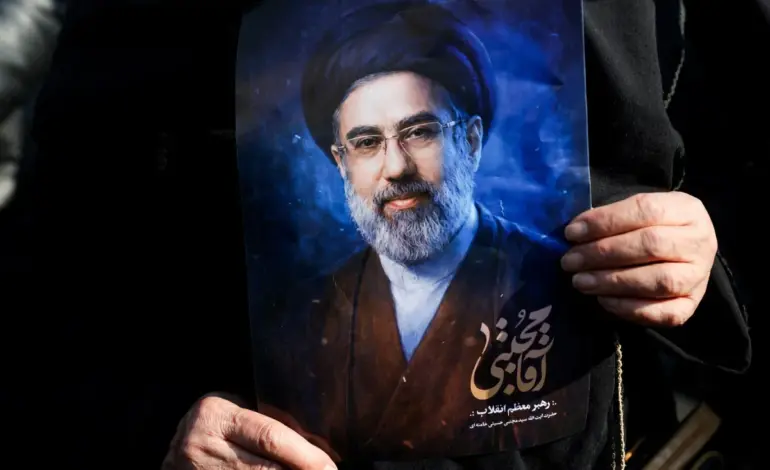
The political landscape in Iran has shifted dramatically with the appointment of Mojtaba Khamenei as the new Supreme Leader on March 9, 2026. This development follows the death of his father, the late Supreme Leader Ali Khamenei, who was killed in US-Israeli strikes. Prior to this, expectations were set around a potential successor with a more established political background, as Mojtaba had never held a formal position in government.
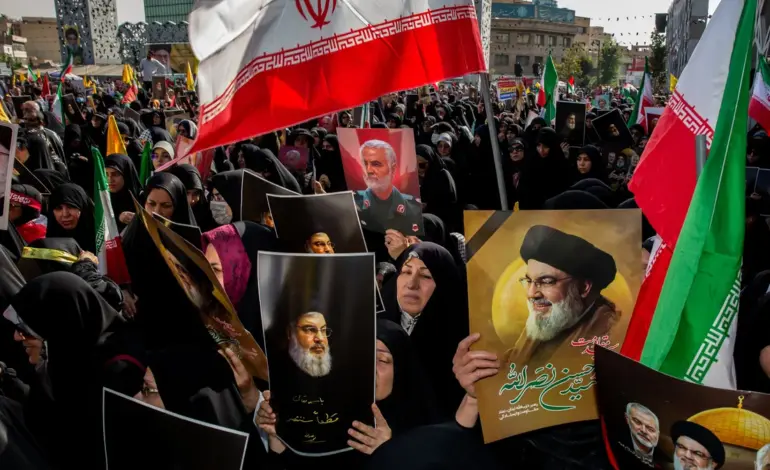
In the immediate aftermath of his appointment, Mojtaba Khamenei received strong backing from Iran’s political and security establishment. Mass rallies were held across the country to support him, signaling a united front amidst ongoing regional tensions. Notably, Oman’s Sultan sent a congratulatory message, while Iraqi Prime Minister Mohammed Shia al-Sudani expressed confidence in Khamenei’s leadership, stating, “We express our confidence in the ability of the new leadership in the Islamic Republic of Iran to manage this sensitive stage.”
International Reactions
However, the appointment has not been without controversy. US President Donald Trump criticized the decision, calling it a mistake and questioning its longevity. He stated, “I think they made a big mistake. I don’t know if it’s going to last.” This sentiment reflects a broader apprehension regarding the stability of Iran’s leadership during a time of heightened conflict.
Israel’s Foreign Ministry took a more aggressive stance, labeling Khamenei a “tyrant” and threatening him, highlighting the ongoing hostilities between Iran and Israel. In contrast, Russian President Vladimir Putin pledged unwavering support to Iran, emphasizing the need for courage and dedication in the face of armed aggression.
Implications for Iran
Mojtaba Khamenei’s rise to power comes at a critical juncture for the Islamic Republic, which is grappling with both internal and external challenges. His leadership is expected to be closely scrutinized, particularly given the legacy of his father’s rule, which was marked by significant bloodshed. As stated by Israel’s Foreign Ministry, “Mojtaba Khamenei’s hands are already stained with the bloodshed that defined his father’s rule.”
As the new Supreme Leader navigates these complex dynamics, the implications for Iran’s domestic and foreign policies remain to be seen. Details remain unconfirmed regarding how his leadership will shape the future of the nation amidst ongoing tensions with the US and Israel, as well as the reactions from neighboring countries like Yemen, which congratulated him on his appointment.