Sheetala Ashtami: A Day of Reverence and Tradition
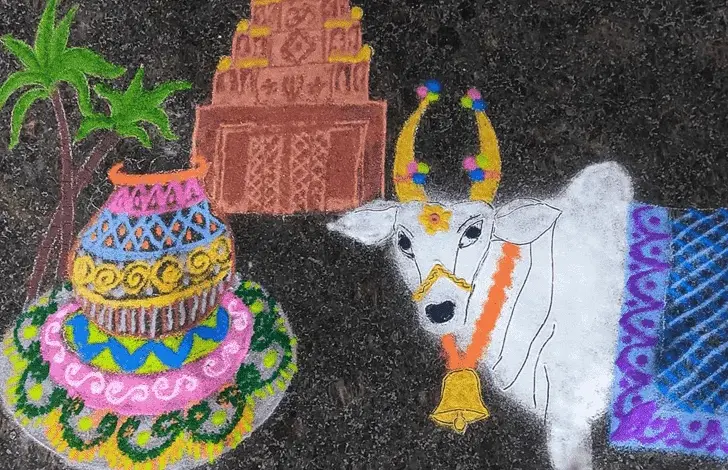
What is Sheetala Ashtami?
Sheetala Ashtami, also known as Basoda, is a significant religious observance in India, particularly in the northern states such as Rajasthan and Uttar Pradesh. This year, it falls on Wednesday, March 11, 2026, marking a day dedicated to the worship of Goddess Sheetala.
Why is it celebrated?
The day is observed on Krishna Paksha Ashtami, following the festival of Holi. It is believed that Goddess Sheetala has the power to control diseases such as smallpox, chickenpox, and measles, making her an important figure in the health and well-being of devotees.
Traditions and Practices
On Sheetala Ashtami, a unique tradition is followed where people refrain from cooking food in their homes. Instead, they consume stale food that has been prepared prior to the day. This practice symbolizes respect for the goddess and is believed to bring health and prosperity to households.
The Sheetala Ashtami Puja Muhurat is scheduled from 06:50 AM to 06:47 PM, allowing devotees ample time to perform their rituals. The Ashtami Tithi begins at 01:54 AM on March 11, 2026, and concludes at 04:19 AM the following day, providing a specific window for worship.
Regional Variations
While Sheetala Ashtami is predominantly celebrated in North India, similar rituals are observed in Gujarat, where a festival known as Shitala Satam takes place just before Krishna Janmashtami. This highlights the cultural diversity and regional variations in the worship of Goddess Sheetala.
Context and Significance
Sheetala Ashtami occurs during a time of year when India experiences high humidity due to the transition from summer to monsoon. This environmental context adds to the significance of the day, as it is a time when health concerns related to heat and humidity are prevalent.
Looking Ahead
As the date approaches, communities across India will prepare for the observance of Sheetala Ashtami, engaging in rituals and traditions that have been passed down through generations. Details remain unconfirmed regarding any new practices or changes to the traditional observance this year.