Michael Vaughan Critiques T20 World Cup Final Performance
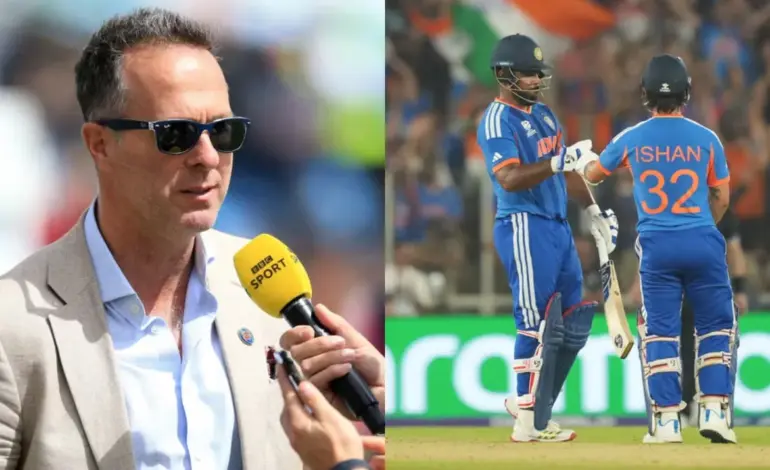
What does Michael Vaughan’s critique of the T20 World Cup final reveal about the game?
In the wake of India’s remarkable victory over New Zealand in the T20 World Cup final on March 8, 2026, former England captain Michael Vaughan raised a critical question regarding the balance between bat and ball in the match. Vaughan’s concerns came despite India’s impressive score of 255 runs for the loss of five wickets, a total that showcased the team’s batting prowess.
Vaughan’s dissatisfaction was articulated through a tweet where he stated, “This isn’t fair balance between Bat & Ball .. #ICCT20WorldCupfinal.” His comments reflect a broader concern that has been echoed in cricket circles, particularly regarding the increasing dominance of batsmen in T20 formats. This final saw India achieving a record Powerplay score of 92 runs without losing any wickets, the highest ever recorded in T20 World Cup history.
Sanju Samson was a standout performer in the match, scoring a half-century that included eight sixes and five fours, contributing significantly to India’s total. Abhishek Sharma also made a notable impact, scoring 52 runs off just 21 balls, further solidifying India’s batting strength. The team’s overall performance has drawn praise, with Vaughan eventually congratulating India, calling them the best side in the tournament.
In the context of this match, Dinesh Karthik’s pre-match rituals have also come under the spotlight. Known for pressing his shirt before important games, Karthik’s rituals have been associated with India’s victories in multiple tournaments since 2024. His routine, combined with the team’s performance, has led to a sense of confidence among fans and players alike.
Despite the celebration of India’s victory, Vaughan’s critique raises important questions about the future of T20 cricket. The balance between bat and ball has been a contentious issue, with many analysts suggesting that the game may be skewing too heavily in favor of batsmen. This concern is not new, as Vaughan has previously criticized the balance of play in T20 matches, indicating a potential trend that could affect how the game is played and perceived.
As cricket enthusiasts reflect on this final, the contrasting views on the match’s dynamics highlight the ongoing debate within the sport. While India revels in their triumph, the implications of Vaughan’s observations could lead to discussions about rule changes or adjustments in gameplay to restore balance.
Looking ahead, the cricket community will be keen to see how these discussions evolve. Will there be changes to the format or rules to address the concerns raised by Vaughan and others? Details remain unconfirmed, but the dialogue surrounding the balance of play is likely to continue as the sport progresses.
In summary, Michael Vaughan’s critique of the T20 World Cup final performance serves as a reminder of the complexities within cricket, particularly in the fast-paced T20 format. As India celebrates their victory, the conversation about the balance between bat and ball remains a critical issue for the future of the game.